
2026 Awards Finalists


The KiwiNet Awards celebrate heroes in research commercialisation — those individuals and organisations whose best practice approach is changing the innovation landscape in New Zealand. We congratulate the 2026 finalists!
NZ Product Accelerator Breakthrough Innovator Finalists
This award recognises an upcoming entrepreneurial researcher who is making outstanding contributions to research commercialisation in New Zealand through technology licencing, start-up creation or commercial partnerships leading to the creation of new products and/or services from publicly-funded research.
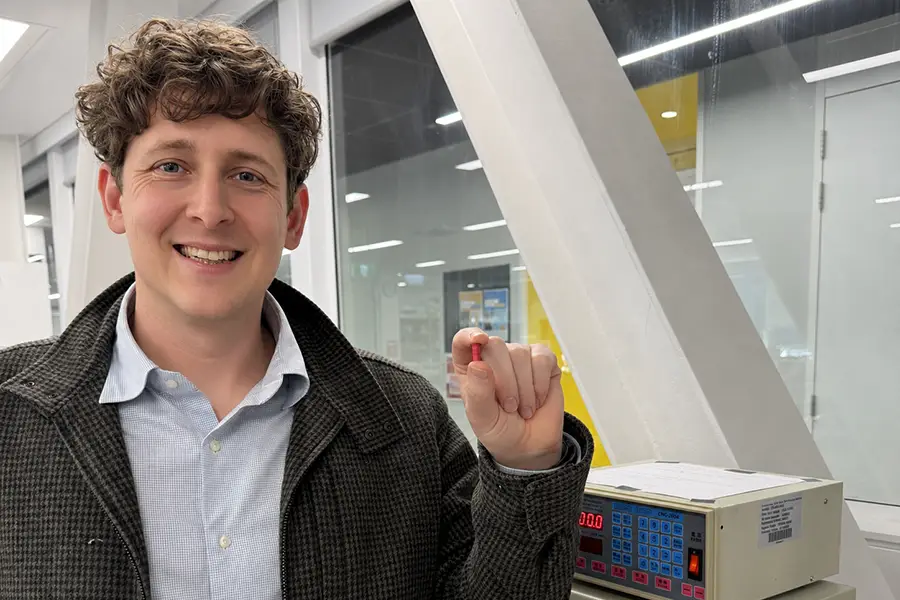 Dr Jake Campbell
Zuuka /
University of Canterbury
Making insulin drug delivery work for real life
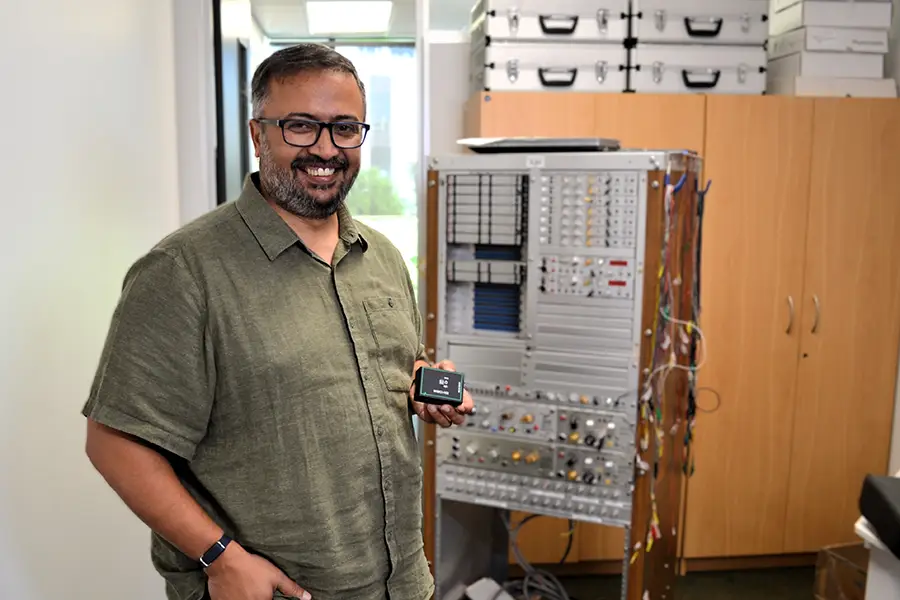 Dr Imran Khan Niazi
New Zealand College of Chiropractic
Powering commercialisation breakthroughs in neurological research
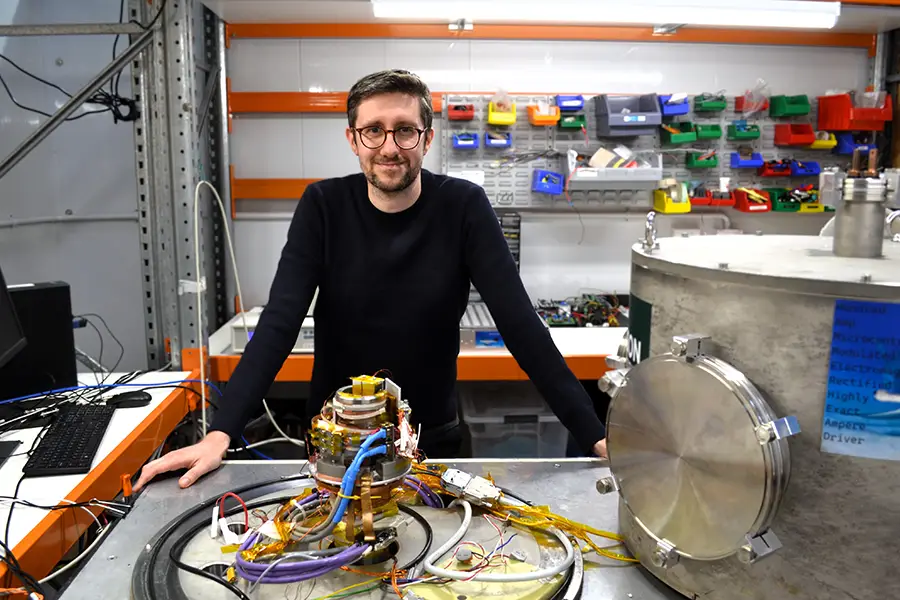 Dr Dominic Moseley
Paihau-Robinson Research Institute
Supercharging the commercialisation of superconductivity
Dr Jake Campbell - Zuuka/ University of Canterbury
Making insulin drug delivery work for real life
With whānau connections to Te Rarawa in Hokianga – a small community situated 90 minutes from the nearest specialist medical centre – Dr Jake Campbell had seen first-hand the difficulties of managing chronic illness in a remote area. It was this insight, combined with findings during his PhD and postdoctoral research at Te Whare Wānanga o Waitaha | University of Canterbury, that shaped his journey from innovator to spin-out founder.
Jake conceived and led the development of the core technology behind the startup Zuuka, to meet a real and urgent need in diabetes care by offering a simpler approach to insulin delivery. The wearable drug-delivery platform supports automated insulin delivery that responds in real time to glucose changes, with a prototype roughly half the size of market-leading patch pumps.
Jake and the team built the case for Zuuka through extensive co-design and fieldwork, conducting more than 100 interviews with patients, clinicians, and carers across Aotearoa. This work identified key barriers to adoption and directly shaped product design. The new technology has a year-long battery life, a 120x lower environmental footprint than current systems, intuitive user-centred controls and far fewer steps for safe drug administration, including reduced needle handling - a major improvement for paediatric patients. The system combines a reusable pump body with replaceable infusion components.
Recognising that a spin-out was the fastest route to impact, Jake honed his entrepreneurial skills and embraced the commercialisation pathway, including completing KiwiNet's Emerging Innovator Programme.
Jake co-founded Zuuka in 2025, serving as Chief Technology Officer, and the company has now grown to a team of five. The company has filed both PCT (Patent Cooperation Treaty) stage and provisional patents. It is currently targeting the global insulin pump market, valued at US$5 billion and growing, and has potential applications in other chronic conditions, including Parkinson's disease, chemotherapy, and pain management.
Jake shows how research and engineering can be turned into real-world benefits when someone is driven to make a difference.


Dr Imran Khan Niazi – New Zealand College of Chiropractic
Powering commercialisation breakthroughs in neurological research
Dr Imran Khan Niazi has been a driving force behind a bold new era of research commercialisation at the New Zealand College of Chiropractic. Now Dean of Research, he played a central role in establishing Vitality Innovations in 2024, the organisation's new technology transfer office – helping shape the frameworks and culture needed to support the New Zealand College of Chiropractic team in taking their ideas beyond the lab and into the market.
With over 15 years in neuro-rehabilitation research, Imran has also led by example, successfully commercialising two of his own inventions through spinout companies Nortek Labs and Symply. Symply, a wearable health tech platform designed to measure stress, recovery, and resilience has recently spun out as a startup company through Vitality Innovations and secured VC funding. It is now undertaking product development and building towards market launch.
As an innovator and leader, Imran is equally committed to lifting others. He encourages early-career researchers to recognise the commercial potential of their work and supports them in the process. In this capacity, he has also supported two projects toward commercial success, including co-inventing BodySync, a hands-free system that captures patient conversations as they happen and generates structured clinical notes that can be integrated into a patient management system. BodySync technology has been exclusively licensed by an industry partner.
Imran is now working with the same industry partner and Vitality Innovations to develop a bespoke system for chiropractic clinics. The complete practice management solution spans the visit encounter, clinical notes, and post-visit data collection – saving each chiropractor user an estimated 3-4 hours a week.
Through his vision, ambition, and stand-out innovations, Imran is laying the foundations for lasting change within the New Zealand College of Chiropractic and beyond, helping to build a stronger and more diverse innovation ecosystem in New Zealand.



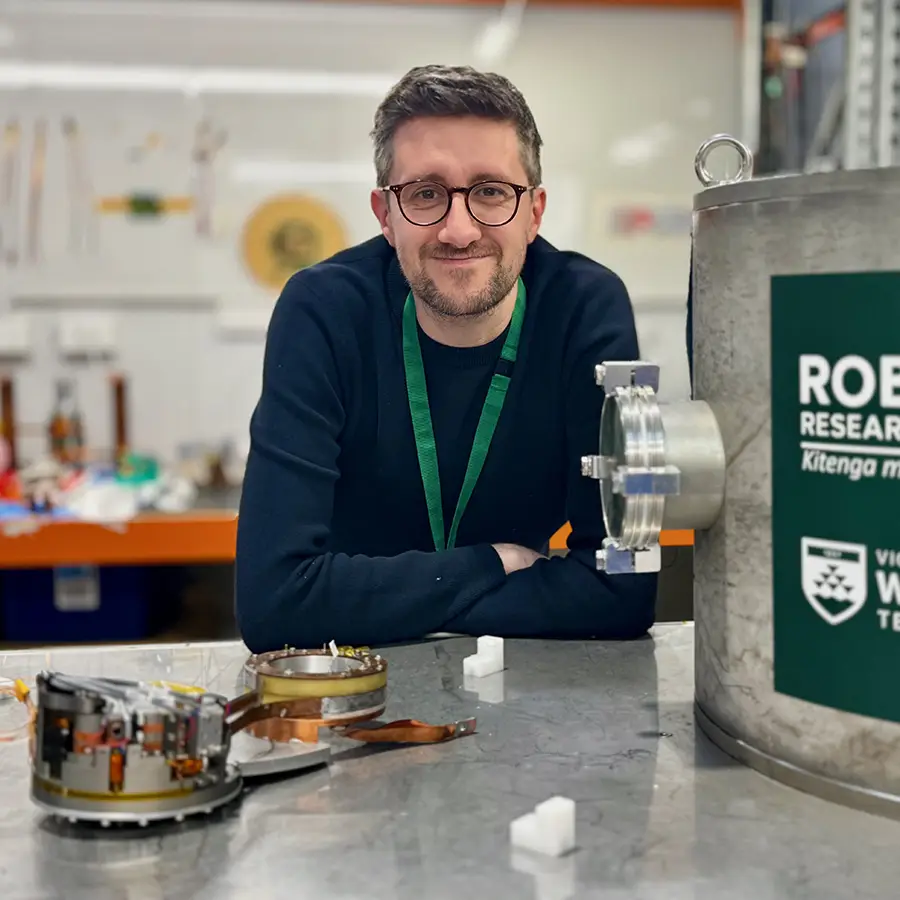
Dr Dominic Moseley – Paihau-Robinson Research Institute
Supercharging the commercialisation of superconductivity
Dr Dominic Moseley is a Senior Scientist at Paihau-Robinson Research Institute at Te Herenga Waka—Victoria University of Wellington, where he has become recognised for tackling the complex engineering challenges that stand between the Institute's world-leading superconductivity research and real-world application.
A major technical hurdle in high-temperature superconducting (HTS) systems is the requirement to operate at very low temperatures while carrying very high currents. Dominic and the team at Paihau-Robinson Research Institute have developed ground-breaking solutions, called flux pumps, to solve this challenge. He has led the translation of this research into practical applications, including fusion energy systems, bespoke scientific instrumentation, and other advanced superconducting platforms.
Through his efforts, Paihau-Robinson has reached several significant commercialisation milestones, including the development and successful testing of the first market-ready flux pump for a European company, as well as partnerships with New Zealand and overseas start-ups for bespoke system development. His research also underpinned the creation of a joint venture to commercialise the technology for marine applications.
Dominic's commercial leadership has been matched with academic recognition, including the awarding of multi-million-dollar funding as the head of Robinson's flux pump team. Through this research, he is developing the next generation of fusion-relevant technologies utilising advanced superconducting materials.
Driven by a desire to see deep-tech companies powering up across New Zealand, Dominic is helping create a path for future innovation-led careers in applied physics, materials science and engineering. And in helping move flux-pump technology from the lab to commercial deployment, Dominic is ensuring New Zealand is uniquely positioned to capture the $34 billion HTS market in the years ahead.

BNZ Researcher Entrepreneur Finalists
This award recognises an experienced entrepreneurial researcher who consistently delivers real world impact from their research.
 Dr Linda Johnson
Bioeconomy Science Institute Maiangi Taiao
Turning agricultural research into tools that farmers trust
 Professor Matthew Watson
University of
Canterbury
Driving new industries for a lower-emissions future
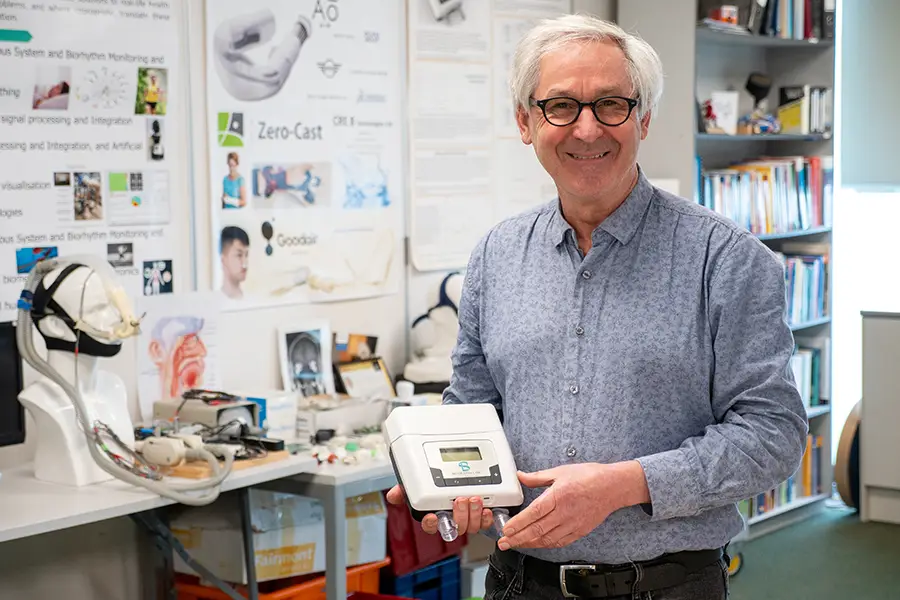 Dr David White
New Zealand College of Chiropractic
Breathing new life into accessible health solutions for New Zealanders
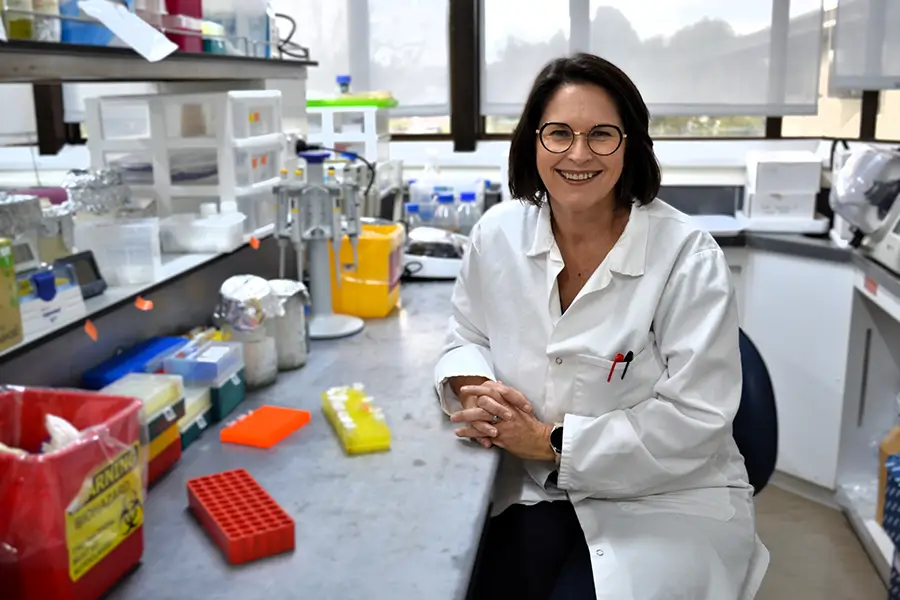
Dr Linda Johnson - Bioeconomy Science Institute Maiangi Taiao
Turning agricultural research into tools that farmers trust
Dr Linda Johnson has created a deep and lasting impact for New Zealand's primary industries. For more than 20 years, her focus on developing real-world applications of science has consistently driven research out of the lab and into the hands of farmers and industry.
As the leader of AgResearch's Plant-Microbe Interactions team from 2011 to 2020, Linda reshaped the team's direction to align with industry needs. She expanded the team's focus beyond pasture systems while securing critical and enduring partnerships with companies including Grasslanz Technology and PGG Wrightson Seeds.
As part of this, researchers discovered unique endophyte technologies that improve pasture performance and animal productivity on farms. One of these, the AR37 endophyte, is estimated to have contributed $3.6 billion to New Zealand's economy by improving pasture persistence, lifting livestock productivity, and strengthening farm resilience.
Linda also led the "Endophytes for the Future Farm" programme for nine years, bringing together scientists, industry partners, and funding to focus on outcomes farmers could readily adopt. She aligned approximately $16 million of public investment with significant industry co-investment and ensured the research stayed on track for real-world uptake.
She later led the seven-year MBIE-funded Gene Edited Endophyte Partnership Programme, in collaboration with commercial funders Grasslanz Technology and PGG Wrightson Seeds. And, in 2024, Linda's leadership of the Bioeconomy Science Institute's Endophyte Discovery Team was recognised through the Prime Minister's Science Prize – Te Pūiaki Putaiao Matua a te Pirimia, awarded in 2025.
International collaboration has also been a hallmark of her career. She has built enduring research partnerships worldwide to develop microbial technologies for a range of crops.
Recently appointed as the Chief Scientist at Bioeconomy Science Institute Maiangi Taiao, Linda aims to provide scientific leadership, independent oversight and assurance of scientific quality, integrity and ethics across the organisation. A respected mentor and collaborator, Linda continues to build industry partnerships and support the next generation of scientists. Her combination of scientific excellence, leadership and commercial vision has delivered lasting benefits for New Zealand's farming and food sectors.
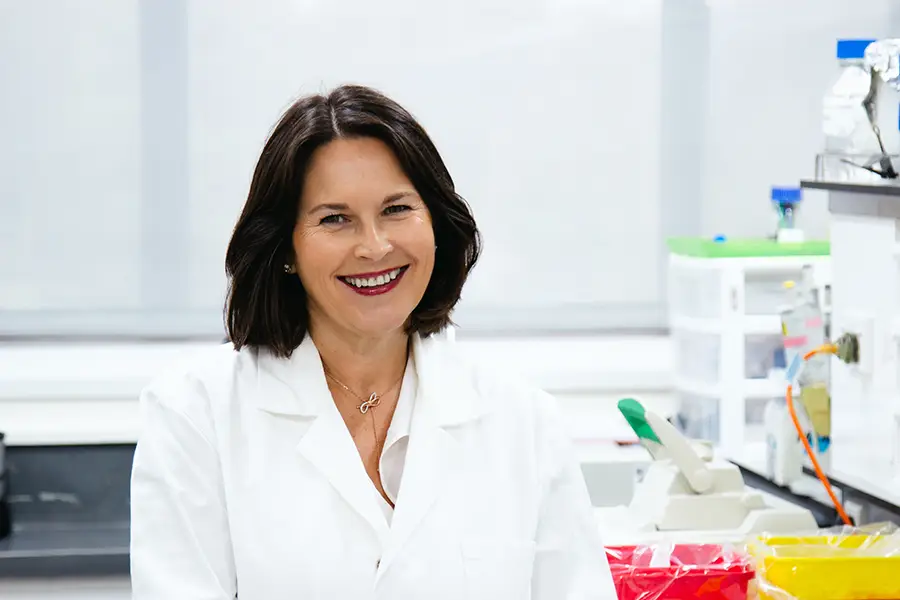
Photo credit: Royal Society Te Apārangi

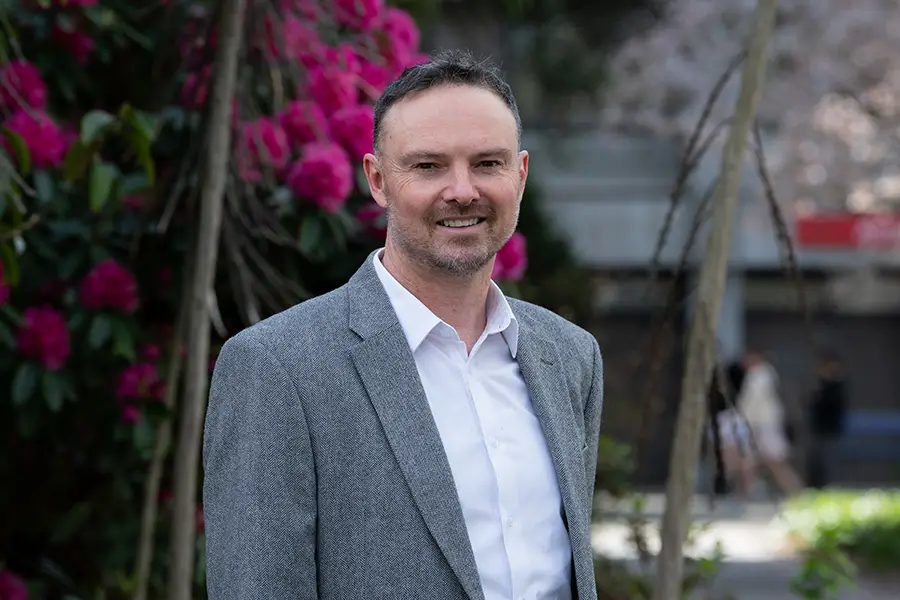
Professor Matthew Watson - University of Canterbury
Driving new industries for a lower-emissions future
Through his research, Matthew Watson, Professor of Chemical and Process Engineering in the Faculty of Engineering at Te Whare Wānanga o Waitaha | University of Canterbury, is advancing solutions to global climate and materials challenges. He works across academia, industry, and startups with a clear goal: to create new technologies that cut emissions, grow New Zealand's economy, and turn research into investable ventures.
Matthew has supported three deep-tech companies to market – NILO, Aspiring Materials and CullBeck – and is currently developing a fourth.
In 2017, he joined NILO, a plastics recycling company that turns waste plastic into wood adhesives. He conducted initial due diligence to secure early investment, led the initial intellectual property strategy, and guided scale-up planning. NILO has employed more than 30 people and operates a commercial demonstration facility in Auckland.
In 2019, he played a hands-on role in shaping the growth of Aspiring Materials, a technology company that takes olivine, a magnesium-rich mineral capable of capturing carbon dioxide (CO₂) and permanently converts it into magnesium carbonate and other valuable, low-carbon products. Aspiring Materials has since raised more than $5 million, hired a team of young engineers and scientists, and gained international recognition through the Breakthrough Energy Fellowship. In late 2025, it opened its first-of-a-kind facility in Bromley, Christchurch, capable of processing 250 kg/day of olivine.
More recently, his research group at the University of Canterbury, in collaboration with Victoria University of Wellington and the Paihau Robinson Research Institute, helped develop a hydrogen-based process that turns iron sands into high-value iron with far lower emissions. Matthew co-founded this spin-out, CullBeck, which raised $20 million in its first investment round in July to commercialise its hydrogen-based ironmaking process.
Alongside his ventures, Matthew builds pathways for others. As a leader of UC's Biomolecular Interaction Centre and Board Member of the Institution of Chemical Engineers, NZ, he mentors engineers, backs early-stage founders, and works closely with venture capital firms to help turn ideas into companies.
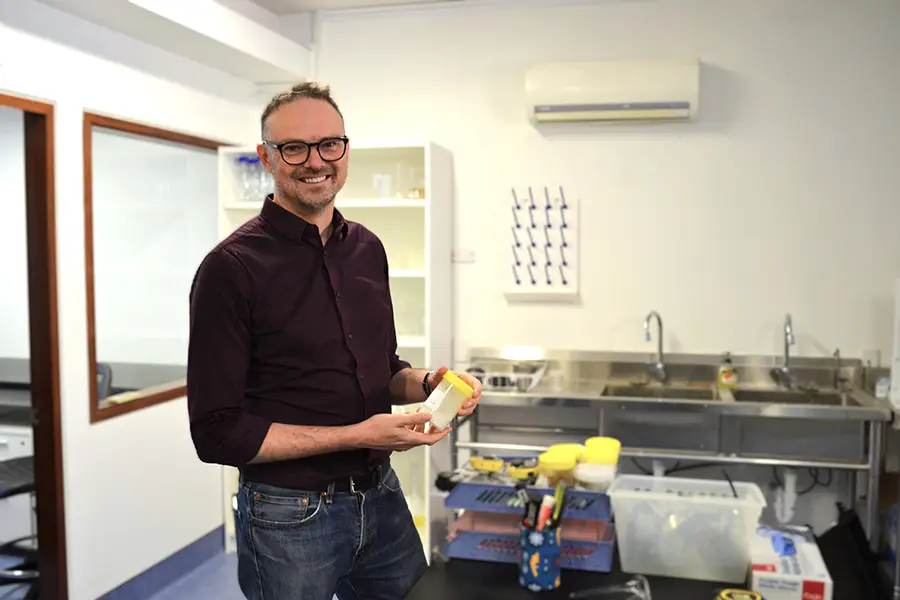



Dr David White - New Zealand College of Chiropractic
Breathing new life into accessible health solutions for New Zealanders
Dr David White is a serial researcher entrepreneur responsible for turning countless ideas into new ventures, products, and partnerships.
In 2016, he co-founded the AUT's BioDesign Lab to help move research into the market, using design to shape ideas into something people can use and invest in. Initially through the BioDesign Lab, and now the New Zealand College of Chiropractic, David has supported a wide range of innovators and successful innovations including Zero-Cast Ltd, and Aō Air Ltd which has raised more than $2 million in public funding.
David also builds his own ventures. In 2019, he created Nosebuds based on his nasal humming research at AUT. He worked with AUT Ventures to secure PreSeed funding, developed and tested the technology, and co-founded Goodair Nosebuds, which has since raised $2 million in seed funding and been in market since August 2025. As the company's Chief Science Officer, he now leads research to expand the technology's use in new health applications.
David continues to develop new health technologies, including RACer – an advanced sleep apnoea treatment that helps users stay asleep by aligning treatment with natural sleep cycles. The project has secured PreSeed funding and is progressing towards spin-out.
As Head of Innovation and Commercialisation at the New Zealand College of Chiropractic's commercialisation arm, Vitality Innovations, David has supported the development of the Symply stress-tracking wearable device, for which he also serves as Chief Science Officer. He also provides commercialisation leadership for technologies including MindEdge, a cognitive workload tool that provides neurophysiology feedback during rehabilitation, and the Gait & Balance app, which uses smartphone sensors to capture movement data to support fall risk assessment and prevention.
David's career has been defined by his belief that "a rising tide raises all boats". Well known for his expertise and collaborative approach, David regularly connects MedTech founders with strategic advice and introductions to potential development partners across the innovation ecosystem.
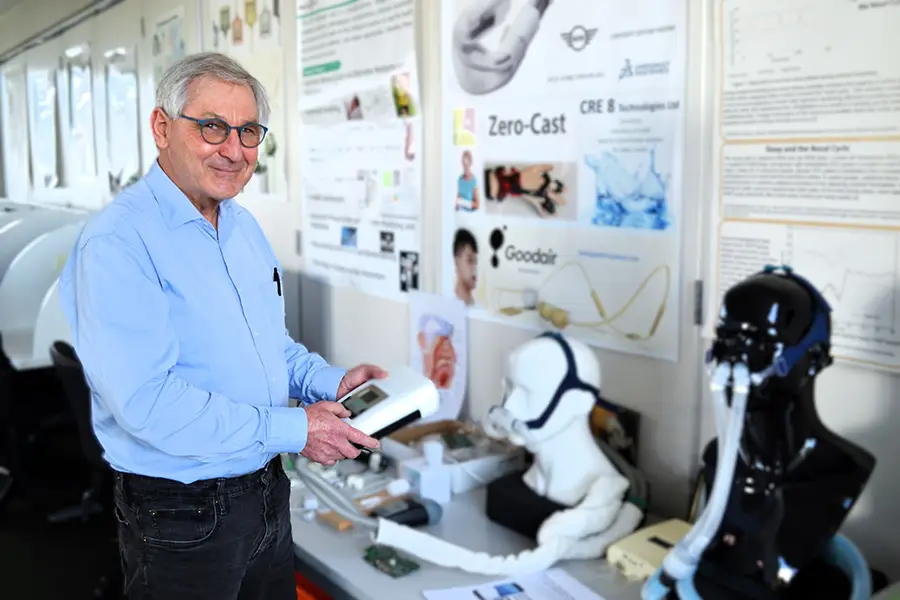

KCA Commercialisation Rising Star Finalists
This award recognises a developing commercialisation professional who is making valuable contributions to the creation of excellent commercialisation outcomes from publicly-funded research.
 Dr Dan Carlisle
Massey University &
Massey Ventures
A committed champion for early commercialisation professionals
 Mick Riley
Forever Harvest / Bioeconomy Science Institute Maiangi Taiao
Making the science of cultivated fruit a commercial reality
 Sam Wojcik
Wellington
Univentures
Fostering new ventures and new talent for lasting impact
Dr Dan Carlisle - Massey University & Massey Ventures
A committed champion for early commercialisation professionals
Dr Dan Carlisle is a rising leader in New Zealand's research commercialisation ecosystem, delivering significant impact through his organisation, while championing the profession and creating opportunities for others to succeed.
As Director of Commercialisation & IP at Te Kunenga ki Pūrehuroa Massey University, Dan provides strategic leadership and operational oversight of the University's intellectual property assets and licensing portfolio. In a joint role with Massey Ventures, he leads the commercialisation of approximately 15 technologies across agritech, food and nutrition, animal health, medical devices, and SaaS. He has also overseen more than 20 PreSeed Accelerator Fund (PSAF) Tier 1 and Tier 2 projects during his tenure.
Dan's most significant deal involved negotiating and executing the commercial exit of an agricultural technology, generating a strong financial and strategic outcome for the University and its creators. Beyond individual deals, he is also leading the development of an investment fund to support Massey start-ups and is commercialising his own software product innovation via Massey Ventures.
A defining element of Dan's impact is his commitment to strengthening New Zealand's research commercialisation profession. In 2023, he co-founded Nexus, a nationwide initiative supporting early- and mid-career commercialisation professionals through professional development and peer networking. Since its launch, each annual Nexus Summit has sold out, featured international speakers, and brought together participants from across New Zealand's research and commercialisation ecosystem.
Dan is a prominent voice within the ecosystem, representing Massey on the KiwiNet Pipeline Committee and contributing to the National IP Policy through public commentary, consultation with officials, and by leading the University's strategic response. His drive for professional improvement also saw him recently achieve the Registered Technology Transfer Professional (RTTP) accreditation, an internationally recognised and hard-earned standard for commercialisation professionals.


Mick Riley - Forever Harvest/ Bioeconomy Science Institute Maiangi Taiao
Making the science of cultivated fruit a commercial reality
From emerging commercialisation professional to spin-out founder, Mick Riley is making his mark on New Zealand's science commercialisation sector as a driven, practical and collaborative leader. In just three years at the Bioeconomy Science Institute Maiangi Taiao, he helped turn complex research into fundable deep-tech ventures, while strengthening the wider commercialisation ecosystem.
Mick began his commercialisation career at Wellington UniVentures as an analyst. Here, he found success coaching researchers through the transition from lab to market and helping scientists to remain engaged and invested in commercial outcomes. When he joined Bioeconomy Science Institute in 2023, he quickly earned a reputation for his humble, hands-on style and ability to learn fast and communicate well within a large, complex organisation.
Mick's most significant achievement is co-founding and leading Forever Harvest, a spin-out from the Bioeconomy Science Institute, which closed a NZ$1.2 million pre-Seed round in February 2026, led by Sprout Agritech. Forever Harvest is a cellular horticulture company that grows fruit and nut cells in a lab rather than growing a whole plant, creating cultured cells with targeted nutrients, flavours or functional benefits. The company is at the forefront of this technology, which has significant potential benefits in developing climate and disease-resilient, year-round ingredient supply. It is already in discussions with several multinational food and ingredient companies.
Working with technical co-founder Dr Jan Grant, Mick helped form the founding team, shape the commercial strategy, and guide the venture through the Sprout Agritech Accelerator programme, as well as its pre-seed raise. At the same time, he supported a second venture, Biotremology, connecting researchers with Sprout mentors, industry partners, and investors.
Now CEO of Forever Harvest, Mick continues to give back to the sector as a member of the Lighthouse Momentum Committee, supporting student-led intellectual property and helping grow the next generation of commercialisation talent in New Zealand.

Sam Wojcik - Wellington Univentures
Fostering new ventures and new talent for lasting impact
As a Senior Commercialisation Manager at Wellington UniVentures, Sam Wojcik manages a diverse life sciences portfolio across human health and medicines, new inputs for the agricultural industry, synthetic biology platforms and applied tools. With a focus on driving outcomes that matter, Sam is using his relationship-led approach to create lasting impact for New Zealand.
A standout example of his impact is Sam's work with the Ferrier Research Institute - supporting Dr. Farah Lamiable‑Oulaidi and her team to progress their world-leading research into therapeutics for rare diseases, for which no treatment currently exists. Another innovation supported by Sam – a platform for developing the next generation of agricultural crop-inputs – completed the Sprout Accelerator programme and is on track to seek investment in the near term. In both projects, Sam worked closely with the research teams to steer the commercialisation direction, shape the IP strategy and path to market, and engaged with partners and industry. Sam has also been part of multiple licensing deals, including setting biosensor technology from the School of Biological Sciences on a path to reach winemakers around the world.
Beyond deals, Sam has had an extensive impact on the wider commercialisation community. He has mentored five KiwiNet Emerging Innovators, helping to structure and advance their projects, and founded "Biotech n Beers" with Biotech NZ to foster connections within the Wellington life science ecosystem. He has also been an active member of Chiasma and the Nexus Summit, supporting rising talent, and he contributes to the KiwiNet pipeline committee.
Sam has shown himself to be a trusted and dedicated leader. In recent years, with turbulence across the sector, he has worked to support others wherever possible – being a listener in the team, being present with the people he works with, and looking for ways to make positive change through disruption.

PWC Breakthrough Project Finalists
The Breakthrough Project Award is awarded to a project that has recently achieved spin-out, license deal, or major capital raise, and demonstrates best practice commercialisation of publicly funded research.
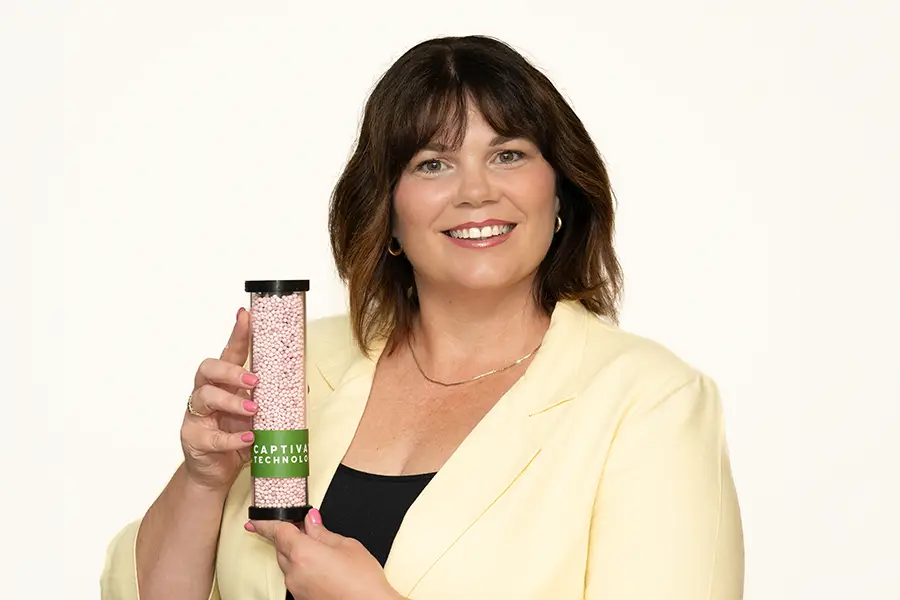 Captivate Technology
Massey University &
Massey Ventures
Next generation materials for industrial carbon capture
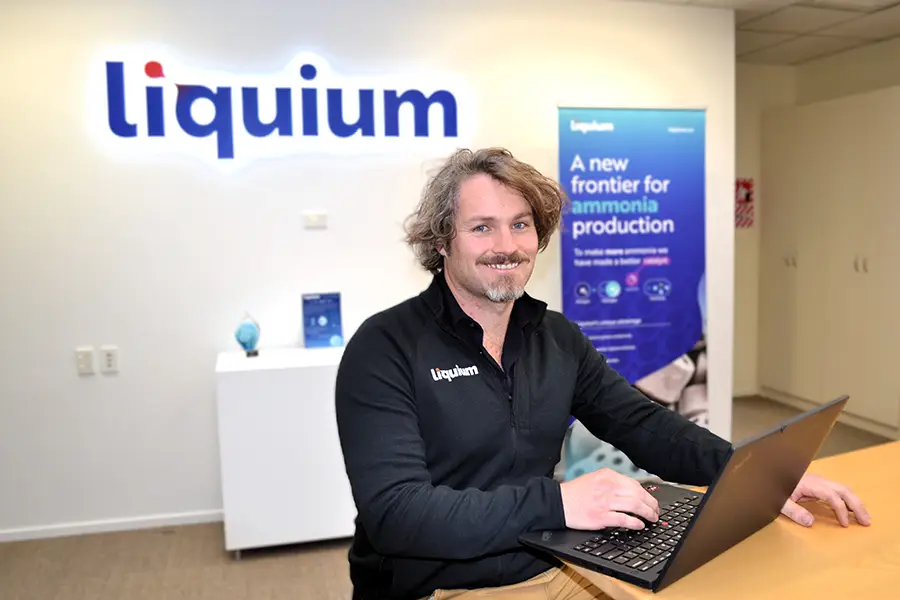 Liquium
Victoria University of Wellington & Wellington Univentures
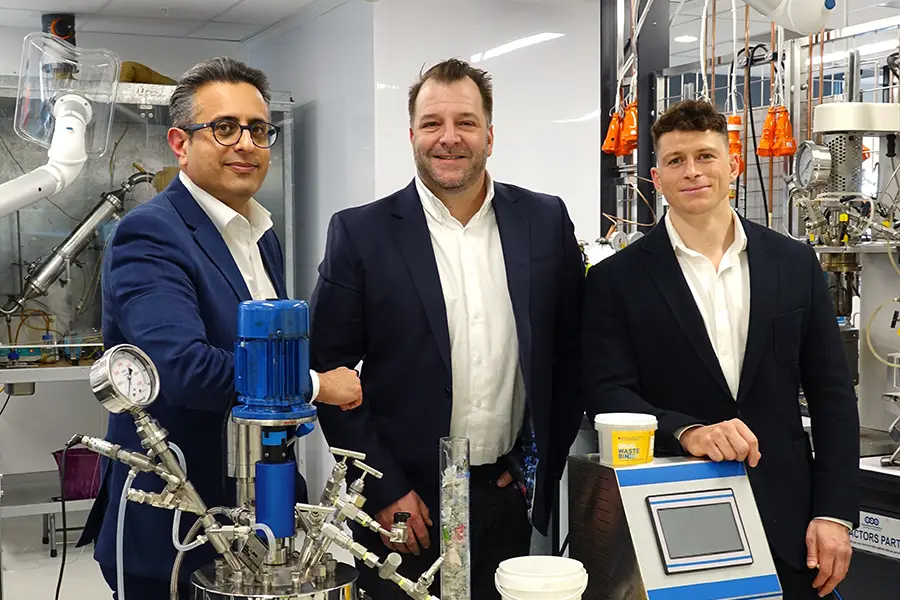
A new frontier for industrial ammonia production
 Nurox Hydrothermal
University of Auckland / UniServices
Unlocking value from hazardous waste
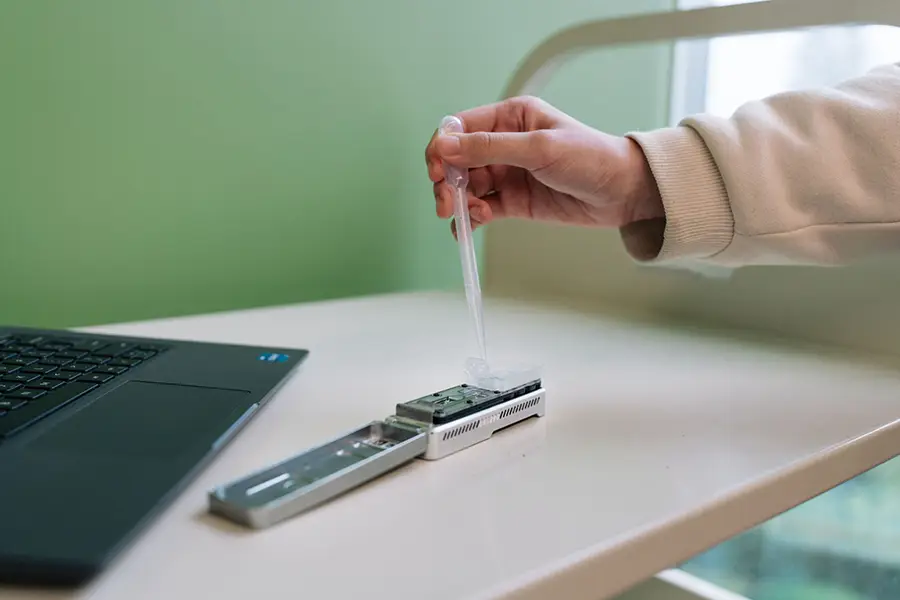 Scentian Bio
Bioeconomy Science Institute Maiangi Taiao
The future of sensing technology
Captivate Technology – Massey University & Massey Ventures
Next generation materials for industrial carbon capture
Captivate Technology is using a breakthrough in carbon dioxide capture to turn waste gas into a purer, usable commodity, reducing industrial carbon emissions at the source – and providing a direct and cost-effective solution to one of the hardest problems in climate mitigation.
At the heart of Captivate's innovation is a patented metal-organic framework material - a sponge-like adsorbent that selectively sieves CO2 from emission sources, while ignoring gases such as nitrogen and methane. Derived from low-cost, readily available materials, Captivate's technology integrates easily with standard plant equipment and achieves up to 70% reduction in energy required for carbon capture compared to conventional technologies.
The technology was built on a discovery made at Te Kunenga ki Pūrehuroa Massey University in the laboratory of founder Professor Shane Telfer. Captivate's journey from lab to market has been led by Massey Ventures, supported by the MacDiarmid Institute and backed by PreSeed Accelerator Funding from KiwiNet. Technology commercialisation validated the material's stability, impurity tolerance and performance – proving its durability over tens of thousands of cycles (and counting) without degradation – a key factor in its commercial value.
Captivate Technology was spun out of Massey University in early 2023 to deliver high-purity CO₂ capture at scale for biogas, geothermal and industrial emitters. The company has quickly moved from onsite industrial trials and scale-up to deploying at pace. In 2025, Captivate secured its first major commercial sale in Canada and has since secured a contract manufacturing partnership with an India-based multinational. Captivate is also in commercial discussions with a further 12 biogas operators and technology providers internationally. In early 2026, it raised over $3M in a seed funding round led by WNT Ventures, enabling several high-profile appointments to scale the business.
Staying closely connected to its foundations, Captivate remains a Palmerston North-based company that creates high-value jobs and provides ongoing research and PhD opportunities for Massey University postgraduate students. As adoption grows, it stands to deliver significant recurring revenue and set a new benchmark for cleaner, more efficient climate solutions worldwide.
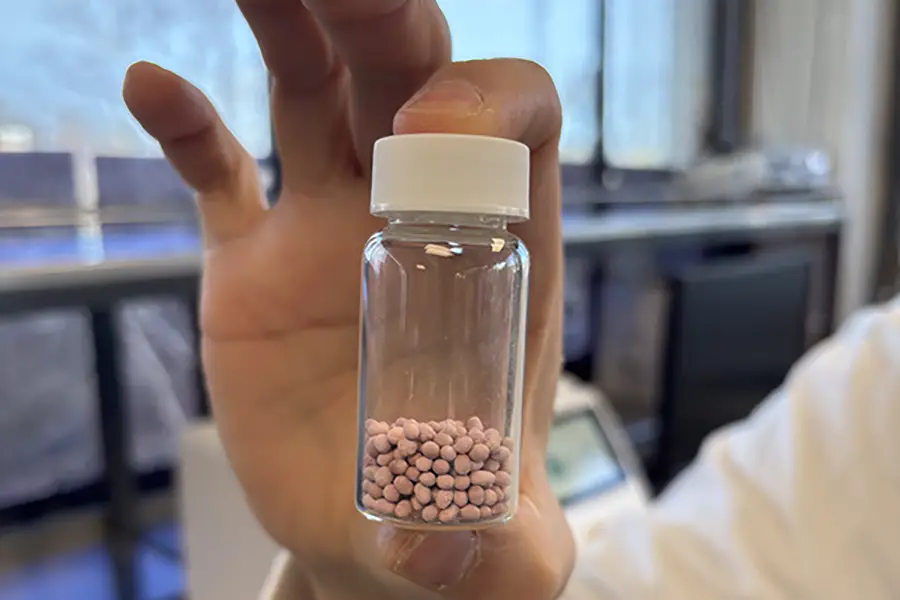


Liquium – Victoria University of Wellington & Wellington Univentures
A new frontier for industrial ammonia production
Liquium is reshaping one of the world's largest and most critical chemical industries through its breakthrough ammonia catalyst technology, optimising industrial-scale ammonia production in a greener, cheaper and larger-scale process.
Supported by Te Herenga Waka | Victoria University of Wellington and Wellington UniVentures, the founding team worked together for four years to develop their ammonia research, de risk the science, and attract early investment.
In 2021, co founder Dr Franck Natali, a Principal Investigator for The MacDiarmid Institute, was selected as a Breakthrough Energy Fellow by Bill Gates's energy decarbonisation fund - opening the door to world class networks and directly supporting Liquium's transition from academic project to high growth venture.
Liquium spun out in May 2022 with a seed investment round backed by Matu, Booster, Climate Venture Capital, K1W1 and others, and in 2026, it completed a successful >$2M pre Series A raise.
Since spin-out, Liquium has hired additional staff, significantly advanced the performance of its catalyst materials, and secured work agreements with leading global companies - from one of the largest critical mineral miners to key ammonia engineering design companies. These milestones have been delivered with lean resources by focusing on recruiting top talent, staying closely connected to industry, and continuing to collaborate with academic institutions in New Zealand and overseas.
The company's strategy is underpinned by a partnership-driven approach, working with global players to bring its innovation to market without relying on any single "one stop shop" provider. This also reinforces New Zealand's position as a global innovation hub, leveraging the country as an ideal piloting ground for large scale deployments and next generation industries.
It is estimated that the ammonia market will grow by 100 million tonnes per annum within the next decade as ammonia is adopted as a clean energy carrier for power generation and as a maritime shipping fuel – significantly expanding an already vast financial opportunity and making ammonia the largest global chemical market.
Liquium's technology and partnership-driven model are positioning the company as a New Zealand born leader solving a global challenge with far reaching benefits both here and across the world.

Nurox Hydrothermal - University of Auckland / UniServices
Unlocking value from hazardous waste
Nurox Hydrothermal is solving a large and immediate problem in hazardous waste for New Zealand, with a process set to transform waste treatment here and overseas.
At its core is a breakthrough hydrothermal oxidation process developed from more than 15 years of research at Waipapa Taumata Rau, University of Auckland, led by Professor Saeid Baroutian. The technology uses heat, water and air to break down complex hazardous materials without combustion or harmful emissions – and recovers usable chemicals as outputs. It can be applied to the most difficult and costly waste streams, such as pharmaceutical and cytotoxic waste, forever chemicals, adult continence products and mixed hazardous organics.
New Zealand generates an estimated 1-1.5 million tonnes of hazardous waste annually, with no viable local options for treatment. Consequently, much of our hazardous waste is sent offshore or to landfills, at high cost and with significant environmental risk.
Supported by Auckland UniServices, Nurox launched in 2023, with a deliberate and strategic path to market – using a capital-light licensing and joint-venture model to enable more rapid expansion, and to build each new plant on the same core IP, creating a repeatable pathway for growth and recurring revenue.
In 2025, Nurox entered into a partnership with Interwaste, New Zealand's leading hazardous waste management company, and its parent entity Tennex Group. The partnership includes the delivery of the first two commercial-scale Nurox plants in New Zealand. Together, these sites in Auckland (to be delivered in 2027) and Christchurch are expected to reduce meaningful volumes of offshore waste exports from year one.
With hazardous waste volumes rising and disposal rules tightening in key markets, Nurox is setting its sights on the growing USD$80 billion global market opportunity, using local plants to de-risk global expansion and build a recurring revenue business from New Zealand.



Scentian Bio – Bioeconomy Science Institute Maiangi Taiao
The future of sensing technology
Scentian Bio is commercialising a world first AI-powered 'insect nose on a chip' that could transform not just global food quality control but also biosecurity, pest detection, and human health diagnostics.
All living things produce volatile organic compounds. These biochemical signals are a way to describe the nature and state of the world around us, which is why smell is our fastest sense. Insects have unique receptors that detect these compounds much more sensitively and efficiently, making them perfect for bioelectronics.
Building on 20 years of publicly funded research into insect olfaction and synthetic biology at the Bioeconomy Science Institute Maiangi Taiao, researchers uncovered how to synthetically produce insect receptors that detect biochemical signals in real time with extremely high sensitivity.
Scentian Bio spun out of the Bioeconomy Science Institute in 2021 with this sensing technology - the result of a lengthy and structured commercialisation journey, including early seed funding, technology validation, IP protection and strategic partnerships.
Now with significant international backing – having closed an oversubscribed NZ$7 million pre-Series A round in January 2026 led by Icehouse Ventures – Scentian Bio has pilots underway with seven leading global food companies and is scaling advanced manufacturing in Auckland.
While the company's first market is food quality control, a global industry worth over US$8 billion, it is also building a platform technology that allows new receptors to be layered onto the same core sensing and AI infrastructure, creating future opportunities in other markets. Scentian Bio attracted a US$1.7 million grant from the Gates Foundation to develop a prototype diagnostic for infectious diseases such as TB and malaria.
Scentian Bio's technology means insights can be collected anywhere by anyone and turned into faster, preventive decisions - opening the door to a future global food system without waste and where quality and safety are assured for everyone.

Cytiva Commercialisation Impact Finalists
The commercialisation impact award celebrates a project that delivers outstanding innovation performance and generates significant impact for New Zealand, whether environmental, social, job creation, or direct or indirect impact on export earnings.
 C-Dax Pasture Meter
Massey University
Decades of agri-innovation and international impact
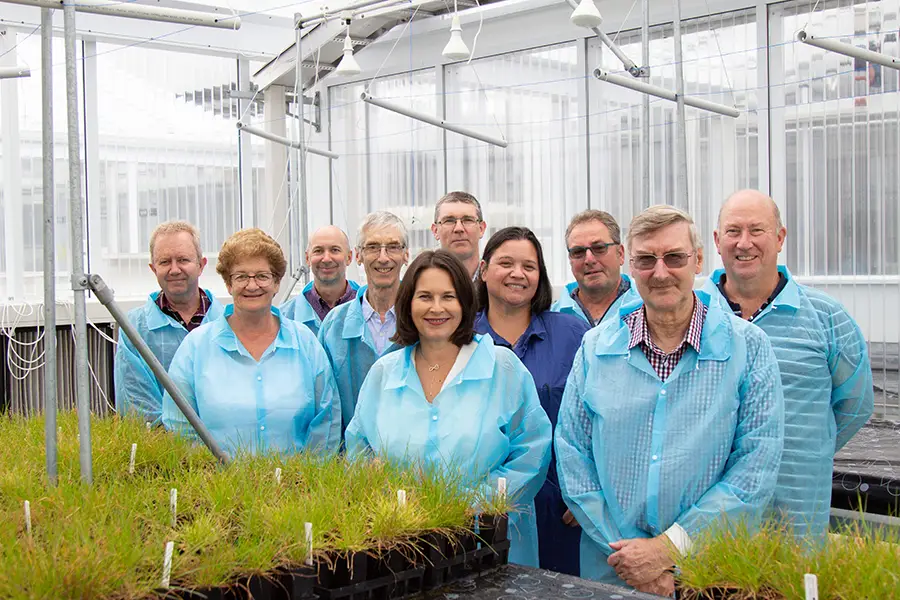 Endophyte AR37
Bioeconomy Science Institute Maiangi Taiao
Market-led endophytes delivering resilient, profitable pastures
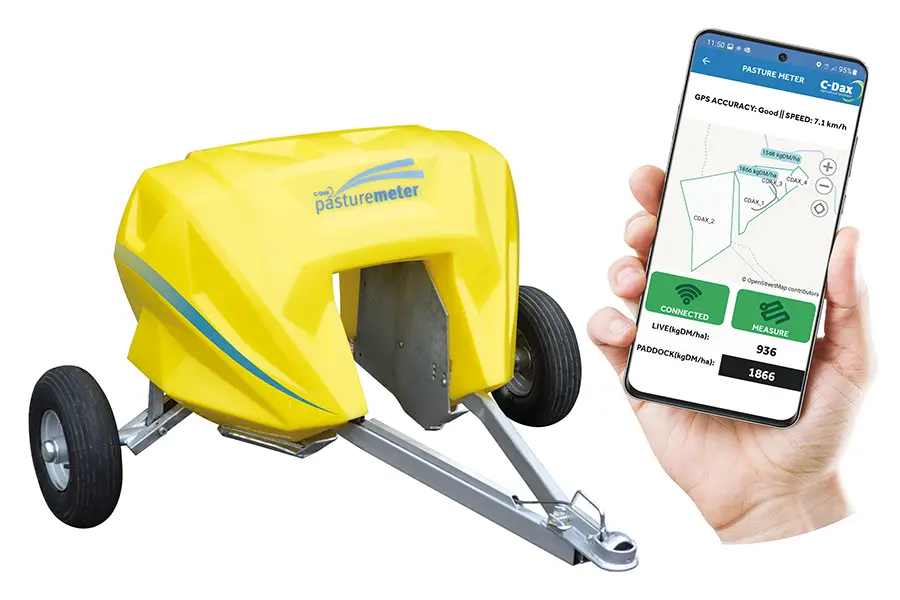
C-Dax Pasture Meter – Massey University
Decades of agri-innovation and international impact
Over 20 years ago, researchers at Te Kunenga ki Pūrehuroa Massey University identified a fundamental bottleneck in New Zealand farming - a lack of fast, accurate pasture measurement. Traditional methods were labour intensive and impractical, limiting farmers' ability to make sound decisions and get the most out of their pasture.
Pasture Meter was invented as a device towed behind a quad bike, using optical sensing technology to measure pasture volume at scale. What might previously take a farmer five hours walking across a 100-hectare farm, Pasture Meter made possible in a 45-minute drive, taking over 200,000 samples per paddock.
Massey University partnered with local agricultural equipment manufacturer C-Dax to commercialise the technology, and the C-Dax Pasture Meter was launched at the 2005 National Fieldays. Over the past two decades, the product has been adopted by farmers across New Zealand and overseas.
The C-Dax Pasture Meter has continued to evolve in response to farmers' needs and operational realities. The platform includes advanced sensor technology connected to a C-Dax Pasture Meter+App with GPS that provides auto paddock recognition.
In 2025, C-Dax joined the Sturli family of brands, and after two decades, Massey University exited its commercial interest in the pasture meter technology. Palmerston North-based farming equipment specialist Sturli continues to develop, manufacture, and sell the C-Dax pasture meters alongside other agricultural solutions. Further development of the Pasture Meter+App and integration with other systems are on the development radar, as are product improvements and enhancements.
An effective solution solving a clear problem, C-Dax Pasture Meter has created a lasting legacy - strengthening New Zealand's global agritech reputation, generating value directly back to the national and local economy with over two decades in sales and export revenue, and supporting skilled jobs in Palmerston North. It also illustrates the widespread impact of a successful 20-year partnership of university-industry collaboration, which has generated significant returns for Massey and the creators. The pasture meter continues to deliver impact for the farmers it was designed to help, and sales remain strong domestically and internationally.


Endophyte AR37 – Bioeconomy Science Institute Maiangi Taiao
Market-led endophytes delivering resilient, profitable pastures
Perennial ryegrass is the backbone of New Zealand's pastoral system, but for decades, farmers faced a difficult trade-off: protecting ryegrass from insect pests without harming animal health or productivity. After many years of multidisciplinary research, the Bioeconomy Science Institute's Endophyte Discovery Team discovered a unique endophyte strain that can deliver strong resistance to five major ryegrass pests while avoiding adverse effects on animal health. This innovation became AR37.
Grasslanz Technology and PGG Wrightson Seeds committed years of co-investment and partnership to develop an excellent product that delivers on farm, and AR37 was released to market in 2007. Since then, AR37 has been incorporated into 16 ryegrass cultivars and adopted widely across New Zealand and Australia, with trials also underway in Europe, Uruguay and the United States. It now makes up well over half of the proprietary perennial ryegrass market in New Zealand.
AR37 has delivered major impact across New Zealand's pastoral sector, increasing dry matter production by around 12% and supporting higher milk and meat production. Its success has given farmers a practical, proven option for improving pasture resilience and performance. It is estimated to have contributed NZ$3.6 billion to the New Zealand economy over the last 20 years.
AR37's early commercial success created a breeding ground for further innovation, with the formation of the joint venture Endophyte Innovation and the development of other next-generation and 'world-first' endophytes, designed to meet specific market needs.
It is also an example of partnership done well. The relationship with Grasslanz and PGG Wrightson Seeds has endured over decades, built on strong commercial relationships, disciplined IP management, mutual expertise and continuous re-evaluation of strategy and science.
AR37 has done more than solve a farming challenge - it has created a platform for what comes next. With gene-edited endophyte products now in offshore field trials, this work continues to strengthen farm profitability, support seed companies and position New Zealand at the forefront of forage biotechnology.
Momentum Student Entrepreneur Finalists
This award recognises a highly motivated university student who looks beyond the science and sees the prize - how their idea can change the world. The student is making outstanding contributions to business innovation or has created innovative businesses in New Zealand through technology licencing, start-up creation or by providing expertise to support business innovation.
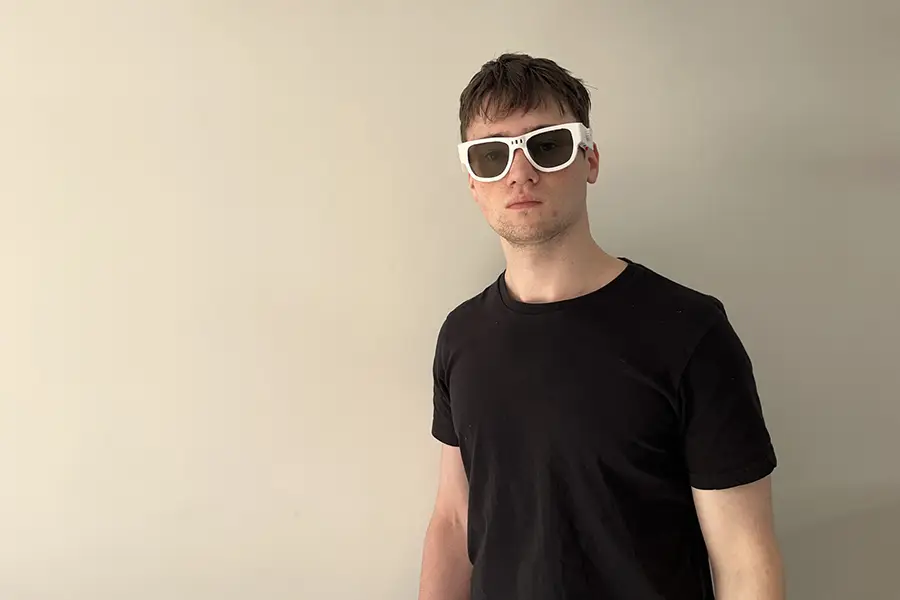 Mark Campbell
Lensare /
University of Canterbury
A bright idea protecting those with light-sensitive conditions
 Omar Mourad
NextPlay /
University of Auckland
Creating an alternative to sports betting without the financial risk
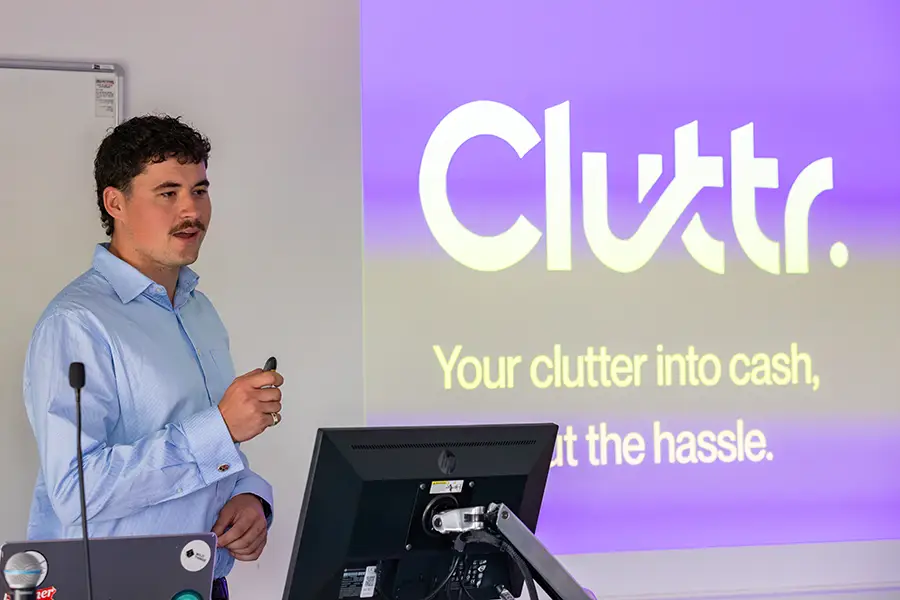 Zac Hemmings
Cluttr /
University of Canterbury
Turning household clutter into a business opportunity
Mark Campbell: Lensare / University of Canterbury
A bright idea protecting those with light-sensitive conditions
What began as a question Mark Campbell couldn't let go of has become Lensare: an adaptive glasses product recognised with a national 2025 James Dyson Award and now with a waitlist of people lining up for its release.
Lensare was born after Mark identified a gap in the market for a non-invasive way to protect people with light-sensitive conditions such as epilepsy, migraines and brain injuries. Around 3–5% of people with epilepsy can have a seizure triggered by flashing light, while nine out of 10 people who experience migraines are light-sensitive. He believed existing solutions were inadequate, leaving many people exposed to unavoidable triggers – which can be as small as sunlight flashing through trees on a walk or a stray light at a concert.
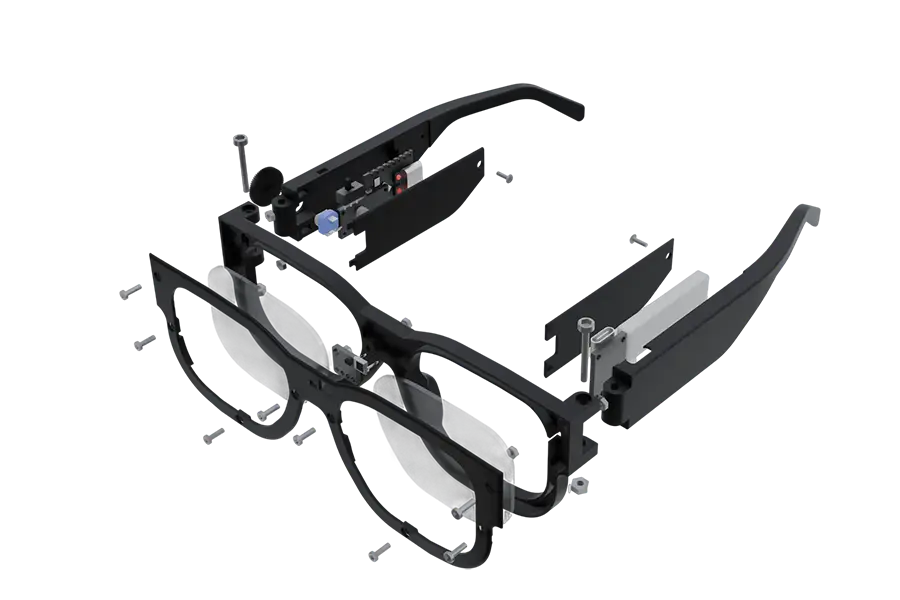
Over the past two and a half years, Mark has developed a solution to this significant global health challenge. Lensare uses embedded light sensors and LCD lenses to detect harmful light patterns and darken quickly enough to protect the wearer before a trigger becomes dangerous.
Working with limited resources, Mark integrated sensors, microcontrollers, LCD lenses and electronics into a lightweight glasses form factor while maintaining a seamless user experience. Through rapid prototyping and testing, he developed a working minimum viable product (MVP) capable of responding in under 20 milliseconds. Lensare is now in its third hardware generation, with a clinical EEG study in the planning stage. Every generation of Lensare has been shaped through collaboration with practising neurologists, a university vision scientist and Epilepsy New Zealand.
Lensare began as a project during Mark's first year of high school. He continued developing the technology while in his first year of a Bachelor of Product Design at Te Whare Wānanga o Waitaha | University of Canterbury. This year, he joined the UCE Incubator Programme and works full-time developing Lensare. Mark's vision is to create a product that feels as normal as possible while providing potentially life-saving protection in the moments that matter most.


Omar Mourad: NextPlay / University of Auckland
Creating an alternative to sports betting without the financial risk
Omar Mourad is a student at Waipapa Taumata Rau, University of Auckland and co-founder of NextPlay, a free-to-play live sports prediction and engagement game. Growing up across Egypt, the United States, Saudi Arabia and now New Zealand, Omar learned early that entrepreneurship is never one-size-fits-all. That global upbringing sparked a determination to build ventures that are both technically robust and commercially viable.
NextPlay is the embodiment of that philosophy. Described as "Kahoot for live sports", NextPlay lets live sport viewers predict what happens next in real time, compete on live leaderboards, and win sponsor-backed prizes. For users, there is no entry fee and nothing to lose if they do not win – it's a free-to-play alternative designed to offer the excitement of sports betting without the financial risk.
The idea for NextPlay emerged from a strategy developed for a case competition at USC Marshall in Los Angeles. Back at the University of Auckland, Omar met co-founder Sharjil and turned the concept into a minimum viable product (MVP), then into a product ready for market.
In 2025, NextPlay (then named PollSport) was named one of the winners of the Velocity $100k Challenge, New Zealand's largest startup competition, and began live trials with streamers, backed by real engagement data. Each stage – competition concept, MVP, and live trials – has required a different version of the product, reinforcing Omar's belief that founders must continually adapt and rebuild to stay close to their users.
As NextPlay continues to grow, already reaching almost 4,000 users, with an average growth rate of 400% across the last four games of the FIFA World Cup, and expanding globally, Omar is focused on scaling engagement and building toward monetisation. At the same time, he is championing a student-founder culture that is more experimental, more global, and less constrained by the default career track.

Zac Hemmings: Cluttr / University of Canterbury
Turning household clutter into a business opportunity
Every year, New Zealanders leave thousands of dollars' worth of belongings sitting unused because selling second-hand is considered too much work. Te Whare Wānanga o Waitaha | University of Canterbury Civil Engineering student Zac Hemmings set out to fix this by building Cluttr, a platform that makes selling as easy as calling an Uber.
Rather than starting with funding or a large team, Zac began by becoming Cluttr's first reseller. For the past seven months, he has personally collected items, photographed them, negotiated sales, managed customers, and built the software alongside volunteer developers. Through this hands-on approach, he proved the reseller model with real customers before scaling it through technology.
Cluttr allows customers to scan everything they want to sell in one go. Users upload photos to the platform, which builds an inventory and estimates resale values. Customers can then book a Cluttr reseller from a network of student sole traders mentored by Zac. The reseller collects the items and manages the entire selling process on the customer's behalf. The result is less clutter, more value recovered for households, and fewer usable items ending up in landfill.
Following this year's University of Canterbury Centre for Entrepreneurship (UCE) Summer Startup Programme, where Zac received the Innovation Award, he has continued developing Cluttr through the UCE Incubator Programme while completing his engineering degree. Cluttr has completed paid pilot collections, returned proceeds to customers, won Red Bull Basement New Zealand, and represented New Zealand at the Red Bull Basement World Final in San Francisco.
Zac created Cluttr with a vision greater than decluttering - to give other young people an accessible first step into entrepreneurship. By providing the skills, technology, and opportunity to learn about business through reselling, his ambition is to turn unused belongings into a pathway for others to back themselves.