Citizens of the Sea: Turning yachts into floating labs for ocean discovery
18 August 2026
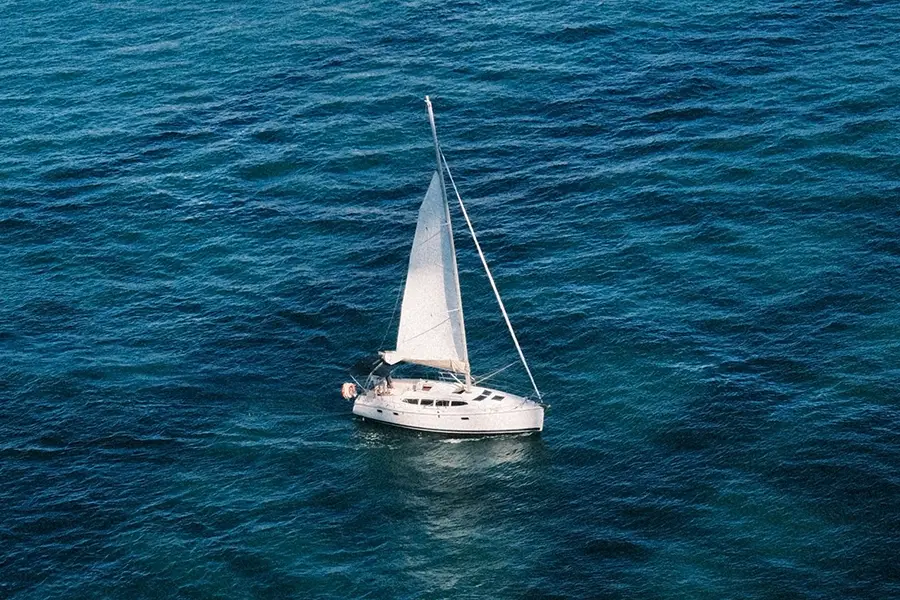
What if the world’s yachts weren’t just crossing oceans – but helping to understand them? Born out of research at the Cawthron Institute, newly formed charity Citizens of the Sea is empowering recreational sailors to collect vital ocean data and map marine biodiversity.
Every ocean voyage already moves through vast, unseen marine ecosystems. By equipping sailors to collect data on their travels, Citizens of the Sea is tapping into a powerful resource already crossing the oceans every day.
Participants are equipped with sampling kits that enable them to collect environmental DNA (eDNA), tiny genetic traces left in seawater by marine life. Back on land, those samples are analysed to build a clearer picture of ocean health and how marine ecosystems are changing over time.
With more than 10,000 vessels at sea at any given moment, sailors represent an enormous, previously untapped opportunity.
“Sailors are already crossing some of the least-sampled parts of our oceans. By giving them simple, robust tools to collect eDNA, we can turn those voyages into powerful opportunities for ocean discovery,” says Dr Xavier Pochon, Lead Scientist for Citizens of the Sea.
PreSeed Accelerator Funding from KiwiNet played a critical role in making the idea a reality.
As KiwiNet’s first charity-led initiative, Citizens of the Sea represented a different pathway for PreSeed support – validating a science-led environmental initiative, rather than a traditional commercial spin-out.
The funding helped the Cawthron team to answer key early questions: could non-specialist sailors reliably collect scientifically robust samples, could the process and technology work at scale, and would people meaningfully engage with it?
PreSeed support enabled pilot deployments through the 2024 Pacific Rally and New Zealand yacht clubs, testing the model in real-world conditions. It also supported the development of a digital platform for tracking and engagement, and helped build the capability needed to launch.
The investment was matched internally by Cawthron and further strengthened by external co-funding from partners including New Zealand Geographic, Illumina and Live Ocean.
“PreSeed funding from KiwiNet was critical in helping us move from concept to real-world pilots that proved the model works in practice,” says Dr Pochon.
That early work showed the model could deliver high-quality data at scale, at around 10% of the cost of traditional ocean sampling. Philanthropic support was essential for the next phase.
In 2025, funding from the Minderoo Foundation enabled large-scale sampling during the Pacific Rally, supporting the collection of ocean samples across 1.5 million square kilometres and funding the laboratory analysis needed to turn raw data into meaningful insight.
Now in its third consecutive year of Pacific Rally sampling, Citizens of the Sea is building a rare longitudinal dataset across the South Pacific – creating an increasingly valuable picture of biodiversity and environmental change over time.
In 2026, the initiative will expand further through funding from the Vendée Globe Foundation, enabling collaboration with offshore racing teams and extending sampling into elite ocean racing routes, opening up new areas for data collection.
Impact at a glance:
- KiwiNet’s first charity-led initiative
- $314,000 received in PreSeed Accelerator Funding
- Data collected across 1.5M+ km2 of ocean
- More than 2 billion DNA sequences identified
- ~10% of the cost of traditional ocean data collection
- Ongoing collaboration and funding agreement with Minderoo Foundation