
Translating research into impact
19 August 2026
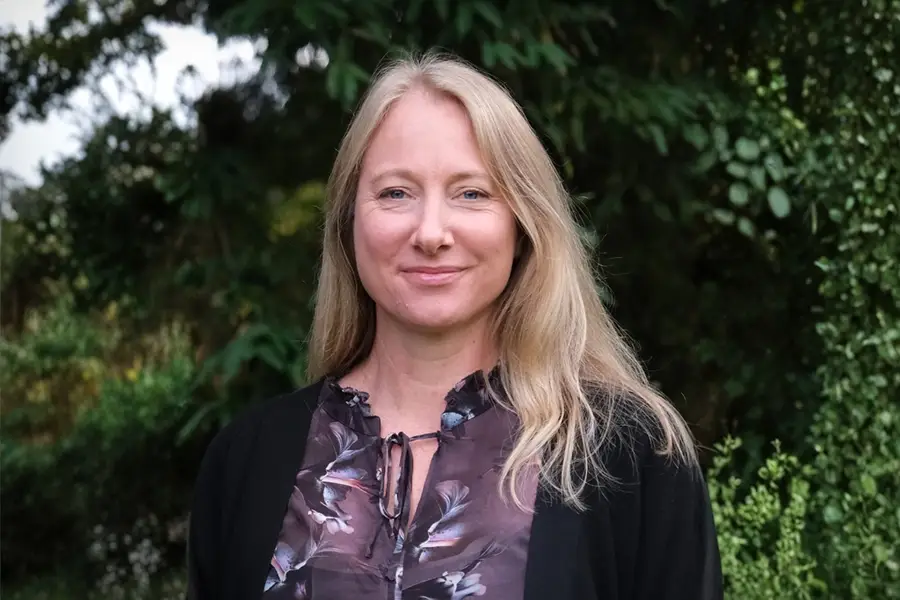
The best ideas in the world won’t make an impact without the right support to help them grow. Commercialisation professionals like Amanda Davies play a critical role in bridging science and business — connecting researchers with the opportunities, partnerships and funding needed to create impact.
Amanda's career spans the breadth of the profession, from her start as a forensic scientist at ESR to commercialisation leadership at the Bioeconomy Science Institute, governance and investment committee roles, and now co-founder of spin-out Biowave.
For Amanda, the value of commercialisation professionals comes down to their ability to connect two different worlds.
"As commercialisation professionals, our role is to be a translator between the research world and the business world. We help each side understand the motivations and constraints of the other. A big part of that is knowing the right questions to ask — understanding why it matters, who it matters to, and what needs to happen to get a technology out into the market," she says.
Amanda has seen the difference this can make through her work supporting researchers to assess and develop new technologies.
"I think it's important for researchers to have some business reality coming back into their world, to hear industry say 'for us to use this, here are the things that really matter,'" she says.
Amanda believes the skills that make great commercialisation professionals — strategic thinking, effective communication, and the ability to build trusted networks — are developed over time through experience and learning from others.
"Community matters because many of the challenges we face are too complex to find the solution in a textbook. Capability comes through learning from people who have negotiated the licence, built the spin-out or worked through the failure."
KiwiNet has played a formative role in that journey, connecting Amanda with a deeply collaborative professional community and development opportunities, including an internship that first introduced her to commercialisation at Scion (now part of the Bioeconomy Science Institute). This was followed by roles on KiwiNet's Pipeline and Investment Committees and later the KiwiNet Board.
"Early on, I would sit in the Investment Committee meetings as an observer and write down all the questions they were asking project teams. It was a really good way for me to see what worked well and where to get the best information," Amanda recalls.
She also describes the OnBoard and the Women in Leadership Development programmes as significant milestones, helping her understand what is required in governance roles and the value she could bring.
"Getting onto a board without experience is quite tough, so having that leg up was crucial. It helped me understand what skills and experience I have that are important in the governance space."
Amanda believes investing in commercialisation capability is essential because the work commercialisation professionals do is critical for ensuring public research delivers the greatest impact possible.
"There is no standard pathway. The skill is knowing which risks matter most and what evidence is needed to move an opportunity forward. You have to see the potential while being pragmatic about the barriers."
Having now built her own career and experience, Amanda is passionate about helping others grow in the profession.
"I really like to see other people grow and get excited about what they're doing. If I can help in a way that enables someone to make a leap in their learning and career, that's something I find incredibly rewarding."