HAMILTON, New Zealand, 18 March 2013 – Entries are open for the inaugural KiwiNet Research Commercialisation Awards designed to celebrate success within New Zealand’s research organisations.
The KiwiNet awards are seeking entries from innovation “game changers”, whose approach is changing the landscape of research commercialisation. Entries are open until 18 April, 2013.
Hon Ruth Richardson the Chairman of KiwiNet says, “Being an innovation game changer is about connecting and collaborating in ways that advance New Zealand’s ambition to become globally recognised leader in research commercialisation.”
The five award categories are:
The KiwiNet Awards, to be held on 19 June 2013, are a first in New Zealand’s research commercialisation landscape as they recognise that commercialisation is as much about people and culture as it is about the technologies being commercialised.
Dr Bram Smith, the General Manager of KiwiNet says, “It’s time to recognise the tremendous amount of work that goes on behind the scenes turning research ideas into commercial value. These awards will bring together the innovation community to celebrate our heroes in this space and inspire others to similar success.”
The awards day and evening reception will run back-to-back with the biannual KiwiNet Commercialisation Forum on 19 and 20 June at the Viaduct Events Centre in Auckland.
Paul Stocks, Deputy Chief Executive of MBIE’s Science, Skills and Innovation Group, said the commercialisation of innovative research is important for New Zealand’s future growth, and MBIE supports KiwiNet’s efforts in this area.
The Kiwi Innovation Network (KiwiNet) (www.kiwinet.org.nz), is a consortium of New Zealand universities and crown research institutes collaborating on research commercialisation. KiwiNet partner organisations include WaikatoLink, Plant & Food Research, Otago Innovation Ltd, Lincoln University, AUT Enterprises, AgResearch, University of Canterbury, Callaghan Innovation, Viclink and Landcare Research. Support is also provided by the Ministry of Business, Innovation & Employment.
For more on the KiwiNet Research Commercialisation Awards see http://kiwinet.org.nz
- ENDS -
For further information please contact:
Sandra Lukey
Shine Group
Phone: (03) 374 6753; Cell: +64 21 2262 858
Email: sandra@shinegroup.co.nz
HAMILTON, New Zealand, 15 March 2013– The future of the biosciences industry is the focus of NZBIO’s annual conference in Auckland next week. Close to 300 delegates are set to attend ‘Asia Pacific Biosciences: coming of age’ March 18-20 to look at the possibilities for the industry to take a leadership position in the world. Opportunities for the industry in Asia will be a key theme and business partnering is encouraged.
Dr George Slim the Chief Executive of NZBIO says, “2013 marks the 10th anniversary of NZBIO. We will celebrate this Coming of Age, by reflecting on the accomplishments of the past 10 years, and looking at the next 10 years and anticipating their challenges.”
The conference covers a broad range of industry sectors from agbiotech to pharma, from biologics to therapeutics, and from biofuel to nanofibers.
Dr Slim says making contacts and finding future partners is also an important part of the conference. “The trend internationally at bioscience events is to create structured opportunities to allow delegates to access a wider range of contacts. We’ve made it easy for people to meet the contacts they want to rather than leave it to serendipity.”
One-on-one Business Partnering is a key part of the 2013 Annual NZBIO Conference. This activity, sponsored by the Kiwi Innovation Network (KiwiNet), is designed to facilitate interaction amongst delegates and with speakers.
Dr Bram Smith, the General Manager of KiwiNet, congratulated NZBIO on its 10 year milestone and emphasised the pivotal role NZBIO plays in fostering collaboration in New Zealand’s biosciences sector. “We’re delighted to be part of sponsoring this event. Innovation is driven by smart people with good connections. The Business Partnering sessions bring scientists and businesses together to share ideas and identify exciting new opportunities for innovation and growth in this sector.”
The Kiwi Innovation Network Ltd (KiwiNet) (www.kiwinet.org.nz) is a consortium of New Zealand research organisations who are dedicated to creating growth for our country by working together and sharing our expertise, networks and resources to successfully commercialise our innovations. KiwiNet partners include: Plant and Food Research, AgResearch, Landcare Research, Callaghan Innovation, Otago Innovation, Lincoln University, University of Canterbury, Viclink, WaikatoLink and AUT Enterprises. The Ministry of Business, Innovation & Employment Support is the principal supporter of KiwiNet.
For more on the NZBIO conference see http://nzbio2013.co.nz
- ENDS -
For further information please contact:
Sandra Lukey
Shine Group
Phone: (03) 374 6753; Cell: +64 21 2262 858
Email: sandra@shinegroup.co.nz
HAMILTON, New Zealand, 26 February 2012 – The Kiwi Innovation Network (KiwiNet) (www.kiwinet.org.nz), a consortium of New Zealand universities and crown research institutes collaborating on research commercialisation, today announced four new appointments to boost bench strength.
Hon Ruth Richardson the Chairman of KiwiNet says, “We’re really pleased to announce the appointment of such high calibre talent to help build on our success in 2012. These new appointments will further boost our capability to assist New Zealand research organisations to create commercial potential from their technologies and expertise.”
Natalie Ward has been appointed Marketing and Events Manager. Natalie has 12 years experience in marketing and event management and has a passion for bringing brands to life. She was most recently Brand and Online Manager for Gallagher Group’s Security business. Natalie earned her MA in English Literature from the University of Auckland.
Dr Seumas McCroskery has been appointed Business Analyst and will work to further advance connections between researchers and Industry. Seumas brings to the role 7 years experience working in both small biotechnology and large research organisations here in New Zealand and in the US. Most recently, Seumas served as Senior Advisor at New Zealand’s Environmental Protection Authority. Seumas earned his PhD in Molecular Pathology from the University of Auckland.
Antony Parnell has also joined the team as Analyst. In this role he will assist New Zealand research organisations to assess the commercial potential of their technologies and expertise and will work to grow the pipeline of commercial opportunities from these research organisations. Antony has a background in the Veterinary Pharmaceutical industry. Antony graduated from the University of Waikato with an MSc, majoring in Chemistry.
Glen Beattie also joins the KiwiNet team to provide commercialisation management services. Glen has an extensive background in consulting, M&A and investment services across a range of sectors including bio-tech, food and beverage, aqua-culture and medical devices. He is also the founding director of a consultancy that helps start up and early stage companies develop growth strategies, become investment ready, and raise capital. Glen earned his MSc in Earth Science from the University of Waikato.
Dr Bram Smith the General Manager of KiwiNet says, “KiwiNet’s new analysts will provide commercialisation staff within New Zealand’s research organisations with additional resource to carry out opportunity assessments, help prepare business plans and support initiatives. Our commercialisation management service will help research organisations to progress opportunities, tap into expert commercial support and secure investment.”
KiwiNet’s role is to empower those involved in research commercialisation by helping them access the tools, connections, investment and support they need. KiwiNet partner organisations include WaikatoLink, Plant & Food Research, Otago Innovation Ltd, Lincoln University, AUT Enterprises, AgResearch, University of Canterbury, Industrial Research Ltd, Viclink and Landcare Research. Support is also provided by the Ministry of Business, Innovation & Employment, Science & Innovation Group.
Dr Smith says, “We can achieve greater commercial outcomes for New Zealand by working together. Through KiwiNet we’ve shown we can better leverage the combined capability of New Zealand research organisations to achieve this.”
- ENDS -
For further information please contact:
Sandra Lukey
Shine Group
Phone: (03) 374 6753; Cell: +64 21 2262 858
Email: sandra@shinegroup.co.nz
Hamilton, New Zealand, 21 February 2013 2013 – Hamilton-based Aduro Biopolymers, a natural resource materials and biopolymer company, today announced it has secured investment from Wallace Corporation, by volume New Zealand’s largest service rendering business, processing a variety of co-products from the meat processing industry. Aduro Biopolymers is a spin-out company formed by WaikatoLink Limited, the technology transfer office of the University of Waikato. The company was formed to develop and market materials and biopolymers for use in the manufacturing sector. The company is currently developing a novel material based on an unconventional idea; turning bloodmeal into bioplastic.
Sir William Gallagher (Director, WaikatoLink), Sir James Wallace (Chairman, Wallace Corporation), Duncan Mackintosh (CEO, WaikatoLink), Dr Johan Verbeek (University of Waikato researcher) and Professor Roy Crawford (Vice-Chancellor, University of Waikato) with Novatein bioplastic from Aduro Biopolymers.
"Aduro Biopolymers has developed an innovative method for the production of bioplastics made from by-products of the red meat and poultry industries," says Graham Shortland, CEO of Wallace Corporation. "We’re always looking for innovative ways to turn new and existing raw materials into higher value products in order to sustainably deliver superior returns to our meat processing partners.”
“We’ve been very impressed by the team at WaikatoLink and their track record in commercialisation as well as the quality of research from the University of Waikato. This investment is part of a broader strategy and the start of a partnership that will allow us to bring new research from the University into our business."
Duncan Mackintosh, the Chief Executive of WaikatoLink says, "It’s fantastic to secure investment at such a key point in the company’s development. We’re also delighted to have Sir James Wallace join the Aduro board. Aduro Biopolymers is a great example of an early stage innovative company based on publically funded research. It’s encouraging to see a successful established company like Wallace Corporation value this innovation and its commercial promise as part of its strategy. This partnership will help the success of Aduro and open up new opportunities too.”
Aduro Polymers aim is to develop environmentally conscious materials for the manufacturing and construction sectors. The company’s first product is Novatein, a bioplastic that will be price competitive with petrochemical plastics. The global plastics market is worth over a trillion dollars and currently bioplastics represent 5-10% of that market, with a compounded annual growth rate of almost 20%.
Darren Harpur, Acting CEO of Aduro Biopolymers says, “The manufacturing process for Novatein is quite simple. This means the capital costs required to commence manufacture will be relatively low and should enable the cost effective production of Novatein. There is a growing demand for environmentally friendly plastics but they need to be at the right price point for consumers. We are confident we can achieve this price point with Novatein.”
The science behind Novatein originated and continues to be developed by the University of Waikato’s Dr Johan Verbeek and his team, where bloodmeal produced by the red meat industry is processed into granules which have been modified and optimised to suit a chosen product’s attributes. The granules can then be manufactured into injection moulded or extruded products using industry standard equipment. Novatein has been in development since 2007 and has received investment support from KiwiNet’s PreSeed Accelerator Fund from the Ministry of Science and Innovation.
Harpur says, “As consumers, we’re all aware of the effects of plastics on the environment. Novatein will help solve some of those problems by introducing a bioplastic made from naturally occurring materials that on their own quickly degrade in the environment. We think that this aspect combined with a simple manufacturing process will enable our technology to be adopted quite rapidly.”
University of Waikato Vice-Chancellor Professor Roy Crawford says the work done by Dr Verbeek and his team has garnered much interest as it has developed and it is pleasing to see the investment by Wallace Corporation. “At the University of Waikato we promote the delivery of world-changing and relevant research. In this case we have research that takes low value co-product of the red meat industry and creates a biodegradable plastic. I consider that highly relevant to our world and is an excellent example of research that is making a difference.”
Aduro Biopolymers is working with commercial partners in New Zealand and Australia to develop Novatein for a range of product lines. The company is also looking to work with New Zealand research organisations to develop new and novel materials from other natural resource polymers.
- ENDS -
For further information please contact:
Sandra Lukey
Shine Group
Phone: (03) 374 6753; Cell: +64 21 2262 858
Email: sandra@shinegroup.co.nz
Christchurch, 12 November, 2012 - Generating ideas for new robotics projects is the aim of a workshop being run by KiwiNet and the University of Canterbury tomorrow. The Robotics Industry Foresighting Initiative will bring together researchers and business to discuss innovation opportunities for New Zealand in robotics.
Dr Bram Smith the General Manager of KiwiNet says, “The meeting will bring researchers and industry together to build connections and better understand how they can help each other. The aim is to spot new and exciting opportunities for innovation in the mobile robotics space.”
Hamish House, workshop organiser and Director of NZi3, New Zealand’s ICT Innovation Institute at the University of Canterbury says, “Robotics represents a very real opportunity for New Zealand. By engaging researchers with businesses we’ll stimulate innovation which will lead to more world-class products for the global market.”
Mark Copsey from kMatrix, a company that specialises in identifying market hot spots for new technologies, will facilitate the workshop. “The market is real, it’s here, but the issue is what does the customer want in terms of functionality. Our aim is to identify a list of ‘jobs’ or priority project ideas and develop a plan for how they might be progressed.”
Copsey adds that a key success factor for any new market is making the consumer the centre of the innovation process not the technology.
KiwiNet’s Bram Smith says, “University of Canterbury spinout Invert Robotics is a great example of a new robotics company that is solving a very real problem. Their wall climbing robots enable vats used in the dairy industry to be inspected in a safe way. Their early development was supported with PreSeed funding from KiwiNet. We’re keen to identify more opportunities for researchers to develop robotics technologies to meet the needs of industry.
Dr Rod Carr, Vice Chancellor, University of Canterbury will open the workshop and talk about the University’s priorities in robotics. Industry speakers include Ian Palmer from Dynamic Controls and Glen Cameron from NEC Corporation. Research speakers include Dr XiaoQi Chen from the Mechatronics Department at the University of Canterbury and Dale Carnegie from Victoria University.
The Robotics Industry Foresighting Initiative is a joint initiative between KiwiNet and the University of Canterbury, a KiwiNet partner organisation. Supporters include MBIE – Science and Innovation Group, kMatrix and NZi3. For more information see www.kiwinet..org.nz/activities/robotics.aspx
- ENDS -
For further information please contact:
Sandra Lukey
Shine Group
Phone: (03) 374 6753; Cell: +64 21 2262 858
Email: sandra@shinegroup.co.nz
CHRISTCHURCH, New Zealand, 2 October 2012 – Commercialisation professionals from around the country are meeting at a one day forum focusing on innovation through networks in Christchurch next week. International experts Dr Craig Belcher from UniQuest, one of Australia’s leading research commercialisation companies, and US intellectual property (IP) and technology transfer expert Laura A. Schoppe will share their experiences alongside a strong line up of local experts.
“We can increase the impact of New Zealand’s investment in research and innovation by making the most of the wealth of discoveries generated by research based organisations, says David Hughes, Group General Manager Commercial, Plant & Food Research, a KiwiNet member.
“The forum is a really valuable opportunity to lift our national performance at technology commercialisation by building networks and sharing that hard won knowledge between research organisations.”
Craig Belcher, Business Development Manager at UniQuest will run a break out workshop at the forum on sustainable models for technology transfer with Laura A. Schoppe, president of Fuentek, LLC, and Nicola Jackson, Business Development Manager at Plant and Food. Mr Belcher has more than 18 years of experience in commercialising technology within the biotechnology, nanotechnology and advanced materials industries. Ms Schoppe has been a lead negotiator for major licensing agreements, strategic relationships and collaboration agreements, and significant equity-financing deals at top universities, government agencies, and Fortune 500 companies.
Dr Belcher says, “The theme of the innovation event is “it’s not what you know, it’s who you know” but technology transfer success is not determined simply by the size of your rolodex; it’s how you effectively build and purposefully use your network. I look forward to sharing my thoughts and observations as a technology transfer practioner and to beginning a conversation on the topic with my New Zealand colleagues.”
Dr Belcher will also spend time visiting local research organisations prior to the forum to build networks and look at collaborative commercialisation project opportunities.
Other workshop options at the forum include: developing strategies for building and maintaining relationships with researchers with Peter John, Director Research and Commercialisation at Lincoln University and Alison Stewart, Distinguished Professor at Lincoln University; building connections and doing business in Asia with David Hughes, Group GM Commercial at Plant & Food, Mark Wynne, Previous President Asia/Pacific for Kimberly Clarke, and Tony Nowell, former CEO of Zespri International and current Chair of SCION; and an Intellectual Property (IP) and legal workshop on collaboration.
Kjesten Wiig, National Commercialisation Manager, Ministry of Business, Innovation & Employment, Science & Innovation Group will talk on the future of innovation in New Zealand and making the most of private and public sector networks. Professional facilitator and connector Sue Sinclair will run a session on organised serendipity. Mr Belcher, will run a group debate on innovation to close out the forum.
KiwiNet partner organisations include WaikatoLink, Plant & Food Research, Otago Innovation Ltd, Lincoln University, AUT Enterprises, AgResearch, University of Canterbury, Industrial Research Ltd, Viclink and Landcare Research. Support is also provided by the Ministry of Business, Innovation & Employment, Science & Innovation Group.
The KiwiNet commercialisation forum, supported by the Ministry of Business, Innovation & Employment, Science & Innovation Group, is being held on Tuesday 9 October at Peppers Clearwater Resort in Christchurch. The event is open to commercialisation staff from all universities, Crown Research Institutes, incubators and other similar organisations and others with an interest in innovation and technology transfer.
An associated event, the KiwiNet term sheet and deal negotiation workshop, is being held the following day, Wednesday 10 October. The event will cover the basics of using term sheets and key considerations for deal negotiations.
The events are part of a programme of initiatives from the Kiwi Innovation Network (KiwiNet) designed to boost commercial outcomes from research. For details and registration visit www.kiwinet.org.nz
- ENDS -
For further information please contact:
Sandra Lukey
Shine Group
Phone: (03) 374 6753; Cell: +64 21 2262 858
Email: sandra@shinegroup.co.nz
Christchurch, New Zealand – 14 September 2012 – Crown Research Institute Landcare Research has become the tenth member of the Kiwi Innovation Network (KiwiNet), a consortium of New Zealand universities and crown research institutes collaborating on research commercialisation. KiwiNet member organisations encompass a large proportion of New Zealand’s science capability with around 6,600 research staff and 130 commercialisation staff. The addition of Landcare Research has boosted the collective research spend of KiwiNet members to close to $600 million.
Landcare Research joins KiwiNet foundation members Plant & Food Research, Otago Innovation Ltd, Lincoln University, AUT Enterprises, AgResearch, University of Canterbury, Industrial Research Ltd, Viclink and WaikatoLink. Support is also provided by the Science + Innovation Group within the Ministry of Business, Innovation & Employment (MBIE).
Hon Ruth Richardson, Chairman of KiwiNet says, “We’re delighted to welcome Landcare Research as a KiwiNet member. As a member they will gain visibility into the research and technologies in other member organisations and KiwiNet will gain value expertise and capability, particularly in the environmental area. This will generate more mutually beneficial opportunities for all members as they work to turn technologies into real returns for the New Zealand economy.”
Landcare Research chief executive Richard Gordon says, “We are very pleased to become a member of KiwiNet. Our core purpose is to drive innovation in environmental management. To do this diverse skills are needed to ensure those innovations are developed effectively and transferred to organisations that need them. KiwiNet will greatly assist us in this endeavour as it will complement and enhance our skills in technology transfer.”
Dr Peter John, Director of Research & Commercialisation at Lincoln University, a KiwiNet member says, “The addition of Landcare Research adds to the pool of networks and expertise KiwiNet members can all tap into. KiwiNet uniquely provides the transparency and trust which allows us to adopt a collective approach to scientific and technology based innovation. This approach improves the chances of success for technologies and ventures.”
As a member Landcare Research will regularly exchange project and research information with other KiwiNet members to assist technology transfer activities. Landcare Research will also take part in regular commercialisation forums and other knowledge sharing events designed to boost the commercialisation capability of members.
KiwiNet’s collaborative commercialisation model enables members to share resources, specialist expertise, networks, best practise, IP and experience to create more commercially viable IP and start-ups from research based ventures.
Richard Gordon says, “Through KiwiNet we’ll not only improve our commercialisation capability but we’ll be able to share vital industry and investment networks that will help us take research and innovations to the marketplace.”
KiwiNet was formed in July 2011 to increase the scale and impact of research commercialisation in New Zealand by acting as a hub for commercialisation. KiwiNet is successfully leveraging the combined capability of member organisations to increase the flow of ideas and successes which will achieve greater commercial outcomes for New Zealand.
KiwiNet board members with Landcare Research representatives. Left to right: Dr Peter John (Director of Research & Commercialisation, Lincoln University), Andrew Turnbull (independent director), Dr Libby Harrison (General Manager Development, Landcare Research), Dave Hughes (Group General Manager Commercial, Plant & Food Research), Hon Ruth Richardson (KiwiNet chair elect), Mark Stuart (independent director) and Graeme Anderson (Business Development Facilitator, Landcare Research).
For further information please contact:
Sandra Lukey
Shine Group (PR for KiwiNet)
Tel: +64 21 2262 858
Email: sandra@shinegroup.co.nz
Andrew Trevelyan
Communication & Marketing Manager
Landcare Research
Tel: +64 3 321 9720; Mob: 027 490 9019
Email: TrevelyanA@landcareresearch.co.nz
Auckland, New Zealand – 13 September 2012 – Commercialisation staff from research organisations across New Zealand and Australia will be developing their expertise and abilities in transferring technologies to industry hands next week. The Kiwi Innovation Network (KiwiNet), a consortium of New Zealand universities and crown research institutes collaborating on research commercialisation, are partnering with Knowledge Commercialisation Australasia (KCA) to present the KCA Fundamentals of Technology Transfer Course to New Zealand for the first time.
WaikatoLink Chief Executive Duncan Mackintosh, a KiwiNet member and Vice Chair of KCA says, “We’re really pleased to be able to offer KCA’s course for the first time in New Zealand to all research organisations in response to strong demand for commercialisation training. By improving commercialisation capability in our research organisations we can achieve greater commercial outcomes for the country.”
Held over two days on September 20th and 21st in Auckland, the course targeted at recently recruited commercialisation staff will cover the various elements associated taking technologies to market including: inventions, patents and copyright: legal issues; negotiating and licensing, evaluating opportunities, marketing and managing the relationship.
Dr Alastair Hick, Vice Chair Professional Development KCA says, “The Trans-Tasman partnership between KCA and KiwiNet will allow budding tech transfer professionals across New Zealand and Australia to develop key relationships and ultimately identify collaboration opportunities in the future. This course is one of a number of initiatives in place to foster our Trans-Tasman partnership and we are pleased to run this course in New Zealand, after successful courses in Australia in 2009 and 2011.”
Nigel Slaughter, General Manager Commercial at WaikatoLink, a speaker at the workshop says, “Attendees will be exposed to high caliber speakers, interactive activities and practical examples. We will also be able to gain valuable materials and expertise to continue providing fundamental knowledge and skills to up and coming commercialisation staff in the future.”
Attendees at the KCA Fundamentals of Technology Transfer Course can gain valuable credits towards a Registered Technology Transfer Professional (RTTP) qualification, an internationally recognised accreditation in the profession.
KiwiNet’s Sara Muggeridge the organiser of the event says, “KiwiNet recognises that successful commercialisation is centred on people and their capabilities, knowledge and skills. We regularly hold a range of professional development events to encourage the growth of emerging technology transfer staff to maximise the chances of success for New Zealand’s innovations.”
For more information on KiwiNet and the KCA Fundamentals of Technology Transfer Course see http://www.kiwinet.org.nz
- ENDS -
For further information please contact:
Sandra Lukey
Shine Group
Phone: (03) 374 6753; Cell: +64 21 2262 858
Email: sandra@shinegroup.co.nz
Auckland, New Zealand, 12 September, 2012 – Investors have an opportunity to gain early visibility into technologies being developed in universities and Crown Research Institutes at a workshop today. The investor engagement event run by KiwiNet, the Angel Association of New Zealand, ICE Angels, and Return On Science is designed to give local investors an opportunity to preview future investment opportunities while giving commercialisation professionals from around the country an opportunity to also develop their presentation skills.
A diverse range of projects including artificial muscle technologies, a new way to disinfect and purify water supplies (PEFT Cell), New Zealand Shortfin Eel Aquaculture, and a novel medical device for the accelerated healing of chronic wounds will be presented to a group of 20 investors from the Auckland region.
Dr Bram Smith the General Manager of KiwiNet says, “The workshop is a fantastic opportunity for investors who want to know more about the technologies being developed in public research organisations. Investors can express interest in projects early in the commercialisation process, get to know a technology before investing, or just provide advice around commercialisation strategy.”
At the workshop commercialisation professionals will gain a better understanding of investor expectations and what motivates them. Attendees will have the opportunity to develop their presentation skills prior to pitching to investors.
Angel investor Ray Thomson, the chairman of the Angel Association of New Zealand Council and a member of the ICE Angels says, “By gaining early visibility into future investment opportunities we can really get to know the technologies and the people behind them. We can also provide feedback and advice that could help progress a technology to an investment ready proposition. This approach works for both the investor and those involved in the commercialisation.”
Graham Scown, National Programme Manager, Return On Science says, “New Zealand punches above its weight in so many areas of the sporting world, and we all know that wouldn’t happen without our inherent disciplined team based approach. That same team based approach is critical to the development of new companies from our world class research efforts. This workshop series is providing trusted environments where new teams can begin to form around amazing new technologies from New Zealand researchers, with early guidance and close involvement from the investment community.”
The commercialisation and angel investment groups behind the forum are:
KiwiNet: The Kiwi Innovation Network (KiwiNet) is a consortium of universities and Crown Research Institutes who are dedicated to taking a collaborative approach to research commercialisation. Founding KiwiNet members include Plant & Food Research, Otago Innovation Ltd, Lincoln University, AUT Enterprises, AgResearch, University of Canterbury, Industrial Research Ltd, Landcare, Viclink and WaikatoLink. Support is also provided by the Science + Innovation Group within the Ministry of Business, Innovation & Employment (MBIE).
NZ Angel Association: an organisation that aims to increase the quantity, quality and success of angel investments in New Zealand and in doing so create a greater pool of capital for innovative start-up companies.
The ICE Angels: an Auckland-based angel investment network that was founded by the ICEHOUSE business incubator in 2003 to connect high-potential start-up ventures with willing investors in order to support the success of emerging New Zealand companies. The ICE Angels has 110 members who have collectively invested more than $30 million in 37 companies over 70 rounds.
Return On Science: a national commercialisation programme launched by UniServices and technology incubators around the country that connects science with a world class commercialisation process, strategic management, top-tier advice, and efficient access to capital.
The Auckland KiwiNet Investor Engagement Event follows successful events held in Wellington in May and Tauranga in August. For more information see http://www.kiwinet.org.nz
- ENDS -
For further information please contact:
Sandra Lukey
Shine Group
Phone: (03) 374 6753; Cell: +64 21 2262 858
Email: sandra@shinegroup.co.nz
Tauranga, New Zealand, 14 August, 2012 – Investors in the Tauranga region will have an opportunity to preview promising technologies being developed in universities and Crown Research Institutes at a workshop today. The investor engagement event run by KiwiNet, Enterprise Angels, Return On Science, and the Angel Association of New Zealand has the dual purpose of highlighting future investment opportunities to investors and helping commercialisation professionals to develop their presentation skills.
Around 20 commercialisation professionals will participate in the workshop and at the end of the workshop seven projects will be presented to a group of 20 local investors. Projects range from a new way to disinfect and purify water supplies (PEFT Cell), a novel medical device for the accelerated healing of chronic wounds, and a framework for modular Wireless Sensor Networks designed to capture and monitor climate, atmosphere, and plant and soil data in a crop field.
Dr Bram Smith the General Manager of KiwiNet says, “The workshop is a fantastic opportunity for investors who want to know more about the technologies being developed in public research organisations. By gaining early visibility into technologies that are coming through the pipeline investors can express interest in projects that may become future investment opportunities.”
Dr Smith says investors can then follow their development progress. “Some investors may also choose to get involved as advisors early in the commercialisation process, before projects are ready for investment, and provide advice for strategies taking these technologies to market. This will increase the chances of success for the project and allows the investor to get to know a technology before investing.”
Active angel investor Bill Murphy, the founder of Enterprise Angels and a member of the Angel Association of New Zealand Council, will help attendees to shape their elevator pitches prior to presenting to local investors.
Mr Murphy says, “The ability to effectively present your technology business case is important for successful commercialisation. The opportunity to present projects to investors for feedback and business advice before they are ready for investment is invaluable.”
Workshop participants will also work with other commercialisation professionals to develop their presentation skills and gain a better understanding of investor expectations and what motivates them.
Prior to presenting to investors workshop participants will also hear from Michael Ahie the Chairman of Plant & Food Research who will talk on the keys to successful investment in research projects.
The commercialisation and angel investment groups behind the forum are:
Enterprise Angels: an active group of 70 experienced business people looking to invest in start up and early stage businesses. They provide a source of funds, backed by extensive business skills and experience. New Zealand’s second largest angel investor group with 70 members looking to invest in start up and early stage businesses. They provide a source of funds, backed by extensive business skills and experience and to date have invested over $4 million in startup and early stage companies.
KiwiNet: The Kiwi Innovation Network (KiwiNet) is a consortium of universities and Crown Research Institutes who are dedicated to taking a collaborative approach to research commercialisation. Founding KiwiNet members include Plant & Food Research, Otago Innovation Ltd, Lincoln University, AUT Enterprises, AgResearch, University of Canterbury, Industrial Research Ltd, Viclink and WaikatoLink.
Return On Science: a national commercialisation programme launched by UniServices and technology incubators around the country that connects science with strategic management, top-tier advice, and efficient access to capital.
NZ Angel Association: an organisation that aims to increase the quantity, quality and success of angel investments in New Zealand and in doing so create a greater pool of capital for innovative start-up companies.
The event follows the success of the Wellington Investor Engagement Event held by KiwiNet in May. The next Investment Engagement workshop will be held in Auckland on 12 September. For more information see http://www.kiwinet.org.nz
- ENDS -
For further information please contact:
Sandra Lukey
Shine Group
Phone: (03) 374 6753; Cell: +64 21 2262 858
Email: sandra@shinegroup.co.nz
$92,500 KiwiNet PreSeed investment supports development of new water purification platform by the University of Waikato and WaikatoLink
Hamilton, New Zealand – 7 June, 2012 – A new water purification technology which removes contaminants in water while simultaneously disinfecting it against microbial contamination has been developed by the University of Waikato with the support of WaikatoLink, the University’s commercialisation company. The new electrochemical PEFT Cell technology which applies a low voltage current to contaminated water to remove contaminants is being developed for residential, commercial, horticultural and agricultural use.
University of Waikato researchers Dr Hilary Nath (left) and Associate Professor Alan Langdon with their PEFT cell
Nigel Slaughter, General Manager Commercial at WaikatoLink says, “Our initial focus for the technology is the removal of contaminants to provide clean and safe rural domestic drinking water supplies. Scale up for animal watering will also be a high priority. Our research indicates there is a good market opportunity for a low cost water purification platform that is a compelling alternative to existing solutions.”
The PEFT (perforated electric flow through) cell works by applying a low voltage current to contaminated water that is forced through a novel perforated electrode system. Contaminants such as iron, manganese, arsenic and microorganisms are subsequently removed by a combination of oxidation, coagulation and precipitation. This is brought about by the generation of chlorine from naturally occurring chloride ions present in water and the high electric fields produced by the cell.
Jessica King, Commercial Manager at WaikatoLink says the technology has a number of advantages over some existing solutions which can be bulky, expensive and maintenance-heavy.
“While other electrochemical systems can provide chlorine on demand for water treatment purposes, they operate as offline devices using concentrated brine solutions and require specialised metering devices. Our system also minimizes the risk of harmful byproducts forming that can result from standard chlorination. This is due to the synergy between the high electric fields and the electrochemically produced chlorine which achieves markedly increased specific toxicity of the chlorine.”
The technology draws on ten years of academic research at University of Waikato’s Chemistry and Engineering Departments under the direction of Associate Professor Alan Langdon and more recently through the doctoral research of Dr Hilary Nath.
KiwiNet has supported the project with a $92,500 PreSeed investment, from their PreSeed Accelerator Fund (PSAF) from the Ministry of Science and Innovation, to take the initial lab-scale proof of concept to a working prototype to demonstrate the potential. WaikatoLink has matched this with a further investment of $92,500.
Mr Slaughter says, “The KiwiNet PreSeed funding allows us to really tackle the high risk aspects of the project by undertaking rigorous technology development and gaining early industry input. The idea is that by the end of the project we will have a proven prototype and some good test data which will make the project ready for angel or industry investment so we can take the product to market.”
The group is working with two New Zealand companies to manufacture prototypes. To develop this platform technology beyond the KiwiNet project, WaikatoLink is seeking partnerships with companies that have water quality issues with iron and manganese and/or microbial contamination.
A prototype will be on show at one of two University of Waikato stands at Fieldays later this month; the university is a strategic partner at Fieldays which this year runs 13-16 June.
Founding KiwiNet members include WaikatoLink, Plant & Food Research, Otago Innovation Ltd, Lincoln University, AUT Enterprises, AgResearch, University of Canterbury, Industrial Research Ltd and Viclink. Support is also provided by the Ministry of Science and Innovation.
- ENDS -
For further information please contact:
Sandra Lukey
Shine Group
Phone: (03) 374 6753; Cell: +64 21 2262 858
Email: sandra@shinegroup.co.nz
Hamilton, New Zealand, 31 May 2012 - Scientific breakthroughs at the University of Canterbury backed by KiwiNet, a collaboration focused on research commercialisation, are resulting in spin-out companies with award winning innovations. A wall climbing robot and battery technology for the green car market are two of the recently awarded innovations from University of Canterbury spinout companies.
Invert Robotics was named the winner of the Ministry of Science & Innovation Start-up Award at the recent HiTech Awards for its remote controlled wall-climbing robot. The robotic platforms allow inspection and repair work on industrial equipment to be carried out in risky environments such as milk powder silos or driers which may contain toxic gases. The innovation draws on research developments in remote robotic inspection technology at the University of Canterbury which is being commercialised by its Research & Innovation unit, in conjunction with powerHouse Ventures.
The University of Canterbury is a member of KiwiNet which comprises six universities and three crown research institutes working together to better leverage the combined capability of New Zealand research organisations to achieve greater commercial outcomes for the country.
Dr Nigel Johnson, Director of Research & Innovation at the University of Canterbury, says, “KiwiNet has really helped us move our research into the commercial space and our award-winning innovations are really testament to that support. We’re also seeing the effects of this support with our increasing flow of ideas which will lead to our next wave of innovations.”
Dr Johnson says KiwiNet has not only provided critical investment through the Ministry of Science and Innovation’s PreSeed Accelerator Fund, the investment committee has also provided invaluable guidance on commercialisation pathways. He says that being able to tap into the hard-won knowledge and networks from other KiwiNet members has also been enormously valuable.
“Through KiwiNet we’ve been able to really stimulate input into our portfolio. By employing PreSeed funds to do the important early work we’ve been able to explore the commercial potential of new ideas. This early work is crucial as it allows us to find the market opportunities that best exploit the scientific breakthrough and develop the technology for that application,” he says.
Invert Robotics received an investment of $118,000 from the Ministry of Science and Innovation’s Pre Seed Fund via KiwiNet, with matching funding from the University of Canterbury and powerHouse Ventures. The funding was used to develop robots for a broader range of applications than was previously possible
Auto battery innovator ArcActive, another recent award winning University of Canterbury spin-out company, won the CleanEquity 2012 conference award for Excellence in the Field of Environmental Technology Research in Monaco in April. Early in its commercialisation, as a University of Canterbury project, it received support via a $225,000 KiwiNet PreSeed investment from Ministry of Science and Innovation to prove the technology. This early support was critical in identifying electrodes for batteries as a key application for the technology.
As ArcActive continued to develop its battery technology for the start/stop auto market follow-on investment was provided by investors and the Ministry of Science and Innovation. The company’s award in April coincided with its public launch which followed several years operating in stealth mode.
“We need to celebrate these successes and keep working on finding the next wave of success stories. These successes are the result of a lot of hard work put in by many people over time,” says Dr Johnson.
Andrew Turnbull, a KiwiNet Investment Committee member, says, “Universities and Crown Research Institutes are a rich source of research breakthroughs and the key is to not just take a great idea and develop it into a technology, but to develop something that is valuable that industry wants to be part of.
“KiwiNet is creating more good news stories for commercialisation in New Zealand. Along with successes like Invert Robotics and ArcActive we’re seeing an increasing flow of ideas and successes from other KiwiNet members.
“Collectively KiwiNet members represent over half a billion dollars of research spend and by working together we are demonstrating that we can increase the scale and impact of scientific and technology based innovation in New Zealand,” says Mr Turnbull.
KiwiNet was launched in July 2011 to empower those involved in research commercialisation by helping them access the tools, connections, investment and support they need. Founding KiwiNet members include WaikatoLink, Plant & Food Research, Otago Innovation Ltd, Lincoln University, AUT Enterprises, AgResearch, University of Canterbury, Industrial Research Ltd and Viclink. Support is also provided by the Ministry of Science and Innovation.
- ENDS -
For further information please contact:
Sandra Lukey
Shine Group
Phone: (03) 374 6753; Cell: +64 21 2262 858
Email: sandra@shinegroup.co.nz
Hamilton, New Zealand, 26 April 2012 - Commercialisation professionals from around the country are meeting at a one day forum on market-led technology transfer in Wellington next week organised by the Kiwi Innovation Network (KiwiNet). The forum is one of a number of initiatives designed to boost outcomes from research and increase the impact of New Zealand’s investment in research and innovation.
“Research based organisations generate a wealth of discoveries, but New Zealand only benefits when these discoveries are utilised by industry. There are a wide range of mechanisms for making this transfer happen including licensing to New Zealand companies and the establishment of start-ups,” says David Hughes, Group General Manager Commercial, Plant & Food Research, a KiwiNet member.
“The forum is a really valuable opportunity to share that hard won knowledge between research organisations and build networks to lift our national performance at technology commercialisation.”
The commercialisation forum will begin with a session from Regena Mitchell from Mitchell Boock Associates on engaging researchers with industry. Professor Alison Stewart, Distinguished Professor of Plant Pathology, Lincoln University, will then share a researcher’s perspective on engaging with industry. Anthony Francis from Flinders Partners will follow with a session on Open Innovation in practice. Kate Wilson from James & Wells Intellectual Property will lead the afternoon sessions with an IP strategy session and Duncan Ledwith from Uniservices and the IceHouse will close with a workshop on market validation.
Kate Wilson, Partner, James & Wells Intellectual Property says, “We work with both researchers and industry on IP strategy and protection. The forum is a great opportunity to share insights from each perspective which may encourage researchers and industry to take the step towards working with each other. From an IP perspective there are some really great benefits for each party but it’s important to get the fundamentals right up front.”
Founding KiwiNet members include WaikatoLink, Plant & Food Research, Otago Innovation Ltd, Lincoln University, AUT Enterprises, AgResearch, University of Canterbury, Industrial Research Ltd and Viclink. Support is also provided by the Ministry of Science and Innovation.
The KiwiNet commercialisation forum, supported by James and Wells and the Ministry of Science and Innovation, is being held on Wednesday 2 May at the Macs Function Centre in Wellington. The event is open to commercialisation staff from all universities, Crown Research Institutes, incubators and other similar organisations and others with an interest in open innovation and market-led technology transfer.
An associated event, The KiwiNet Investor Engagement workshop, is being held the following day, Thursday 3 May, to increase engagement between investors and research organisations. The event includes a pitching workshop and participants also have the opportunity to present to investors.
For details on the KiwiNet Commercialisation Forum and KiwiNet Investor Engagement workshop visit: http://www.kiwinet.org.nz/activities/engagementWorkshop.aspx
- ENDS -
For further information please contact:
Sandra Lukey
Shine Group
Phone: (03) 374 6753; Cell: +64 21 2262 858
Email: sandra@shinegroup.co.nz
Christchurch, New Zealand – 12 April, 2012 - ArcActive, a spinout company from the University of Canterbury, is developing new negative electrodes for lead acid batteries for start/stop and micro hybrid vehicles. The technology was unveiled at the CleanEquity 2012 conference in Monaco where the company won the award for Excellence in the Field of Environmental Technology Research.
Stuart McKenzie, Chief Executive of ArcActive says, “The auto industry is undergoing a quiet revolution towards green cars. Conventional lead-acid batteries can’t cope with the cycle demands for micro-hybrids and would only last a matter of weeks. So the race is on to develop new battery technology for these cars. Our technology has world beating performance and is very low cost, so we hope it wins out over other new technologies.”
Recently mandated emission targets in both the EU and USA are driving the market penetration of these vehicles as automakers focus on fuel economy. ArcActive batteries have a high dynamic charge acceptance and battery recharge rate which is required to improve performance in micro-hybrids with regenerative breaking.
The market for start/stop batteries has been forecast to grow from 5 million batteries per year in 2011 to 39 million per year (US$6.3B) by 2017 and nearly 100 million per year by 2020. It is expected that start/stop cars using ArcActive lead acid batteries will have a longer life and consume 10% less fuel, compared to 2-4% if using alternate technology AGM batteries, at no extra cost.
Mr McKenzie says ArcActive are hoping to be an important component of this emerging multibillion dollar market for new battery technology for micro hybrids and start/stop vehicles. “We’ve tested the performance of our batteries using new protocols developed by the hybrid car industry and obtained exciting results. We’re now working on scaling up the technology and replicating these results with international car and battery manufacturers.”
ArcActive electrodes are developed from a novel processing technology for carbon materials developed by Dr John Abrahamson, Associate Professor, Department of Chemical and Process Engineering at the University of Canterbury. The continuous system for the production of Carbon Nanotubes (CNT's) and Activated Carbon allows carbon nanotubes to be deposited on conducting substrates. The resulting highly transformed carbon fabric can be used in electrodes for batteries and super capacitors. Other applications include cathodes for backlights and lamps, cathodes for CNT TV, gas ionisation sensors and X-ray tubes.
Dr Abrahamson says ArcActive’s process enables carbon nanotube based devices that were previously seen as being not commercially viable to now be made. ArcActive has patent protected a variety of technology applications.
The University of Canterbury project received early support via a $225,000 KiwiNet PreSeed investment from Ministry of Science and Innovation to prove the technology. McKenzie says that this early support was critical in getting the project to this stage as early work identified electrodes for batteries as a key application for the technology.
He says, “It’s been a very collaborative effort getting to this point. We’ve received some great support from KiwiNet in terms of funding and expertise from other members. This support allowed us to move the project to a point where we could attract additional technology grants from the Ministry of Science and Innovation and private investor funds to get to where we are today.”
Ministry of Science and Innovation chief executive Murray Bain says the award is deserved recognition of ArcActive’s dedication to innovation.
“Kiwis are great at coming up with good ideas, but it’s sometimes a challenge to turn those ideas into something valuable. ArcActive are showing the way – not only developing new technology, but doing so in such a way that industry wants to be a part of it.”
ArcActive is currently working to build partnerships with companies that can help with the product development and manufacture.
- ENDS -
For further information please contact:
Sandra Lukey
Shine Group
Phone: (03) 374 6753; Cell: +64 21 2262 858
Email: sandra@shinegroup.co.nz
Hamilton, New Zealand –11 April 2012 - WaikatoLink, Prima Group and Ballance have developed new filter technology for industrial scale applications after teaming up through The Kiwi Innovation Network (KiwiNet), a collaboration focussed on research commercialisation. Molecularly imprinted polymers allow industrial users to filter large volumes of material in solution to capture unwanted or valuable materials.
KiwiNet has supported the project with a $162,000 PreSeed investment, from their PreSeed Accelerator Fund (PSAF) from the Ministry of Science and Innovation, to further prove the technology. WaikatoLink and Prima Group have matched this with a further investment of $162,000.
Terry Smith, John Luxton and Nigel Slaughter looking at a sample of the novel polymers
“We’re really excited about this new technology. The removal and concentration of secondary metals will really add value to raw materials that can be used for agriculture. It will also extend the range of materials we can use in our products,” says Dr Terry Smith, Process and Chemicals Manager at Ballance Agri-Nutrients Limited, New Zealand's leading fertiliser specialist.
The project draws on research from Wintec, Hamilton’s technical institution, into the use of molecularly imprinted polymers as sensors to detect or measure the presence of a target material. In September 2011 WaikatoLink, the commercial company of the University of Waikato, partnered with Prima Group, Wintec’s commercial partner, to develop new commercial applications for the technology. Industrial scale filtering was identified as an ideal application.
“Taking a collective view of the merits of various technologies has really paid off,” says John Luxton, CEO of Prima Group. “Through KiwiNet we’ve been able to combine our expertise, tools and networks and develop a much stronger proposition collectively.”
Ballance was signed on as an industrial partner for the project after seeing the potential of the technology for filtering large volumes of material in solution, which works in a similar way to a water cartridge. A laboratory has also been set up at Ballance with a researcher to further assist development.
“Industry input while still doing research adds great commercial value to a project. By getting an early steer from industry we can address problems and find solutions early which may be the commercial make or break for technology,” says Nigel Slaughter, General Manager Commercial , WaikatoLink.
Mr Slaughter says that the fact that all parties had committed resources to the project and that it was already showing commercial promise helped the project succeed in securing the PreSeed investment from the KiwiNet Investment Committee. “The PreSeed investment really covers off the high risk stage of the development and allows us to develop a proof of concept product that’s of interest to companies.”
Mr Luxton says, “The technology has several unique selling propositions that make it attractive. The filters are reusable, capture down to parts per billion and allow highly specific binding. The other thing that is particularly satisfying is the opportunity for the commercialisation businesses of Waikato University and Waikato Institute of Technology to work collaboratively on a project that has such potential,” says Mr Luxton.
Molecularly imprinted polymers can be designed to bind to a wide range of targets, including metal ions, proteins, phenols, peptides or steroid hormones. A molecular weight of 150Da to 1000Da is in the comfort zone for binding, though much smaller metal ions can be bound. Much bigger molecules such as proteins can be bound using a variation on the original approach known as epitope printing.
The polymer can capture about 80% of the targeted material from a flow, even when the targets are in concentrations as low as a few parts per billion. A system set up with banks of polymer cartridges in series would result in capture rates near 100%. Targets bound to the polymers are rinsed off by inducing a sudden pH change, producing a broth rich in target material.
The project runs until September by which point it is expected a pilot will be running at Ballance to process tonnes of material.
Founding KiwiNet members include WaikatoLink, Plant & Food Research, Otago Innovation Ltd, Lincoln University, AUT Enterprises, AgResearch, University of Canterbury, Industrial Research Ltd and Viclink. Support is also provided by the Ministry of Science and Innovation.
- ENDS -
For further information please contact:
Sandra Lukey
Shine Group
Phone: (03) 374 6753; Cell: +64 21 2262 858
Email: sandra@shinegroup.co.nz
Hamilton, New Zealand – 21 March, 2012 - Researchers will have the opportunity to think like a business for a day at a workshop designed to boost commercialisation. The Creating Value from Innovation workshop, run by The Kiwi Innovation Network (KiwiNet), is being held in Otago and Hamilton this week to help researchers identify the commercial potential of their research and innovations.
“By improving researchers’ commercial awareness and skills we’re helping ensure more research and technology innovations reach the marketplace. By helping researchers to think like a business, even if for just one day, we can radically increase the chances of their technology being used,” says workshop facilitator Nigel Slaughter, General Manager Commercial at WaikatoLink, a subsidiary of the University of Waikato.
Mr Slaughter says that commercialisation is not just the marketing of technologies, it’s about business opportunities. During the day researchers will create plans for how, when and where to work with the market as well as developing alternate applications for their ideas and risk management strategies.
Researchers, post-doctoral students and PhD students are attending today’s workshop in Dunedin hosted by Otago Innovation, the commercial company of the University of Otago.
David Christensen, Senior Commercialisation Manager at Otago Innovation says, “By giving researchers a practical framework for understanding the process of commercialisation, and how it relates to their research, they find it is easier to identify opportunities for commercialisation. We’re really keen to engage with researchers early on so it’s great to host today’s workshop.”
A key theme of the workshop is that commercialisation needs to be an inherent part of the research project. During the workshop researcher’s work on their own project, applying best practice commercialisation processes and gradually developing its commercial focus throughout the day.
The workshop covers how to how to evaluate the commercial potential of a project and how to make an opportunity commercial; how to align ideas with the market and how to market and communicate ideas; how the commercialisation process works and the role of the technology transfer office; and due diligence including the management of risk and IP strategies. The importance of collaboration and building relationships with research and industry partners, professionals and customers of new technologies is also reinforced.
Friday’s workshop in Hamilton is being hosted by Wintec, the region’s technical institution. Researchers are attending from a range of organisations including Wintec, the University of Waikato, Prima Innovation and Prima Group Limited, the commercial partner of Wintec.
John Luxton, Chief Executive of Prima Group Limited says, “Research can take many different forms from scientific to “man in a shed inventions”. Wintec is focussed on practical science and innovation and Prima keeps an eye out for research outcomes that can lead to tangible support and benefit for industry or general business. This workshop is a great way for us to reach out to the community of people who dare to think outside the norm.”
Luxton says to demonstrate they are serious about encouraging new thinking they have also created the Prima Prize for Innovation with a $10,000 award for the most valuable idea of the year as judged by a panel.
KiwiNet’s role is to empower those involved in research commercialisation by helping them access the tools, connections, investment and support they need. Founding members include Plant & Food Research, Otago Innovation Ltd, Lincoln University, AUT Enterprises, AgResearch, University of Canterbury, Industrial Research Ltd, Viclink and WaikatoLink. Support is also provided by the Ministry of Science and Innovation. For more on KiwiNet see http://www.kiwinet.org.nz
- ENDS -
For further information please contact:
Sandra Lukey
Shine Group
Phone: (03) 374 6753; Cell: +64 21 2262 858
Email: sandra@shinegroup.co.nz
Hamilton, New Zealand – 28 February 2012 - Trans Tasman collaboration on innovation research and technology transfer is set to increase with the signing of a cooperation agreement between The Kiwi Innovation Network (KiwiNet) and CSIRO, the Commonwealth Scientific and Industrial Research Organisation. KiwiNet, a consortium of New Zealand research organisations collaborating on research commercialisation, will work with the CSIRO, Australia’s national science agency to uncover synergies and opportunities for technology collaboration.
The memorandum of understanding will see parties regularly exchange project and research information in a wide range of areas from precision agriculture to high tech manufacturing to cleantech. KiwiNet and CSIRO will also access each other’s specialist expertise and capabilities, as well as industry and investor networks to assist technology transfer activities and provide more opportunities for those groups.
Jan Bingley, General Manager IP and Licensing at CSIRO says, “It makes good sense to take a collaborative approach to research commercialisation. By working collaboratively we can identify opportunities to combine complementary technologies to create more investable propositions.”
Dr Nigel Johnson, Director of Research & Innovation, University of Canterbury, a KiwiNet member says, “Encouraging a transparent flow of information on the research and technologies each country is working on will give us the visibility and understanding we need to uncover mutually beneficial commercial opportunities. This approach will also allow us to develop a valuable learning partnership which will help improve our commercialisation capability.”
KiwiNet and CSIRO will initially exchange project portfolio information four times a year to identify collaboration opportunities. Internships and staff exchanges between the two organisations are also likely.Jan Bingley adds, “By leveraging our combined capability we can create new opportunities. We may only have part of the answer in an area and this partnership will allow us to take a collective approach to solving problems and developing innovative technologies. Sharing networks and knowledge will also help us take research and innovations to the marketplace.”
CSIRO is the single largest employer of scientists in Australia, with more than 6,500 people conducting and assisting with scientific research in Australia and around the world. The core KiwiNet organisations Plant & Food Research, Otago Innovation Ltd, Lincoln University, AUT Enterprises, AgResearch, University of Canterbury, Industrial Research Ltd, Viclink and WaikatoLink have 6,300 research staff and 127 commercialisation staff; with a research spend of over $500 million.
The agreement builds on KiwiNet’s recent commercialisation agreement with the Texas A&M University System.
“We know that a collective approach to scientific and technology based innovation, a global network and easy access for funders increases the chance of success for technologies and ventures. We will all benefit from collaboration,” says Dr Johnson.
- ENDS -
For further information please contact:
Sandra Lukey
Shine Group
Phone: (03) 374 6753; Cell: +64 21 2262 858
Email: sandra@shinegroup.co.nz
Hamilton, New Zealand – 16 February, 2012 - Researchers are gathering in Auckland today for a workshop designed to help identify the commercial potential of their research and innovations. The Creating Value from Innovation workshop, run by The Kiwi Innovation Network (KiwiNet), aims to improve researchers’ commercial awareness and skills so ultimately more research and technology innovations reach the marketplace.
“Commercialisation is all about the communication of business opportunities, not just the marketing of technologies. By helping researchers to think like a business, even if for just one day, we can radically increase the chances of the technology being used, ” says workshop facilitator Nigel Slaughter, General Manager Commercial at WaikatoLink, a subsidiary of the University of Waikato.
Mr Slaughter says researchers find it easier to identify opportunities for commercialisation when they have a practical understanding of the whole commercialisation process
During the workshop researchers, post-doctoral students and PhD students from organisations including Plant & Food Research, AUT University, WelTec Connect Ltd and the University of Auckland are creating plans for how, when and where to work with the market as well as developing alternate applications for their ideas and risk management strategies.
Dr Dave Parry, Senior Lecturer at the School of Computing and Mathematical Sciences at AUT University, a participant on the course comments, “The workshop is giving me a very valuable framework for understanding the process of commercialisation and how this relates to my research on RFID devices in healthcare. A key insight is that thinking about commercialisation needs to be an inherent part of the research project in order to understand where the opportunities and issues will arise; it’s not just something someone else will do at some point
During the workshop researcher’s work on their own project, applying best practice commercialisation processes and gradually developing its commercial focus throughout the day. The workshop covers how to how to evaluate the commercial potential of a project and how to make an opportunity commercial; how to align ideas with the market and how to market and communicate ideas; how the commercialisation process works and the role of the technology transfer office; and due diligence including the management of risk and IP strategies.
The importance of collaboration and building relationships with research and industry partners, professionals and customers of new technologies is also reinforced.
“A key takeaway for participants is how vitally important it is to communicate a research idea in language that companies understand. It’s not just the research idea and how it can be applied that is important, but how the application of the idea creates a business opportunity. Researchers can really increase the value of their ideas in the eyes of the market by understanding more clearly what they are selling and communicating this effectively,” says Mr Slaughter.
KiwiNet’s role is to empower those involved in research commercialisation by helping them access the tools, connections, investment and support they need. Founding members include Plant & Food Research, Otago Innovation Ltd, Lincoln University, AUT Enterprises, AgResearch, University of Canterbury, Industrial Research Ltd, Viclink and WaikatoLink. Support is also provided by the Ministry of Science and Innovation.
KiwiNet’s next Creating Value from Innovation workshop will be in Otago on 21 March. For more information see www.kiwinet.org.nz
- ENDS -
For further information please contact:
Sandra Lukey
Shine Group
Phone: (03) 374 6753; Cell: +64 21 2262 858
Email: sandra@shinegroup.co.nz
Hamilton, New Zealand - 31 January 2012 - The Kiwi Innovation Network (KiwiNet) launched its online innovation database today, enabling businesses, entrepreneurs and investors worldwide to view a diverse range of technologies and expertise in New Zealand’s research organisations. The KiwiNet Innovation Database aims to facilitate collaborations between complementary technologies and increase investor and industry connections by showcasing the commercialisation capability and distinctive portfolio of innovations New Zealand has to offer.
KiwiNet, a consortium of New Zealand research organisations dedicated to taking a collaborative approach to research commercialisation, designed the database to act as a shop window to view up-to-date research projects, inventions and patents from across New Zealand.
Andrew Turnbull, a KiwiNet director says, “The KiwiNet Innovation Database is designed to jumpstart the transfer of research technology to the marketplace by bringing together science and business. We have a wealth of innovations in our universities and research institutes and by opening up access and working together we can unlock great value.”
Examples of projects seeking investors or industry involvement range from biopesticides and biologically based growth promotants, to artificial muscle materials which can allow users to power and wear devices, to unique electrochemical cells which allow cheap and effective removal of contaminants to provide clean drinking water for cattle.
Neville Jordan, Executive Chairman of Endeavour Capital, one of New Zealand’s leading private equity and venture capital companies says, “We applaud KiwiNet’s approach through the innovation database to bring together IP and institutions to encourage a collective wisdom that is hugely more powerful than just providing exposure to IP from individual institutions.”
Endeavour Capital has already made several investments through KiwiNet members WaikatoLink, University of Canterbury and Otago Innovation and IRL is spearheading a major export initiative with several other institutions from KiwiNet. Mr Jordan says this collective approach to innovation, a global network and easy access for funders increases the chance of success for ventures.
KiwiNet, which receives support from the Ministry of Science and Innovation as part of its commitment to commercialisation, will leverage the database through international portals to provide heightened exposure and visibility for New Zealand research.
Dr Gavin Ross, General Manager Business Development, Plant & Food Research, a KiwiNet member says, “Visibility and connectedness are vital to successful technology transfer. KiwiNet’s national innovation portfolio approach creates greater scale and credibility which will help us promote our technologies on the international stage. By working collaboratively we can also identify opportunities to combine complementary technologies to create more investable propositions.”
The first release of the database contains innovations from many of New Zealand’s research organisations including KiwiNet members, Plant & Food Research, Otago Innovation Ltd the commercial arm of the University of Otago, Lincoln University, AUT Enterprises the commercial arm of AUT University of Technology, WaikatoLink the commercial arm of the University of Waikato, AgResearch, University of Canterbury, Industrial Research Ltd and Viclink the commercial arm of the University of Victoria along with projects from, Scion, UniServices and Landcare.
Peter Lee, CEO, UniServices says, “It makes good sense for us to form a national portfolio of innovation, opening up the research network in New Zealand in order to boost commercialisation. By showcasing our technologies and capabilities in an easy to access portal like this we can have a greater impact internationally.”
KiwiNet will be working with users of the database to continuously refine the structure and content to best meet personal needs and preferences. The KiwiNet Innovation Database currently hosts over 70 innovations as well as profiles on the organisations, commercial and research groups, and experts who can provide valuable expert advice on technical, commercial and market issues relating to the technology. KiwiNet aims to further develop the database into a more comprehensive national innovation database
To access the KiwiNet Innovation Database visit http://www.kiwinet.org.nz/fsearch.aspx
- ENDS -
For further information please contact:
Sandra Lukey
Shine Group
Phone: (03) 374 6753; Cell: +64 21 2262 858
Email: sandra@shinegroup.co.nz
Hamilton, New Zealand – 30 November, 2011 – Researchers from around the country are gathering at the University of Waikato today for a workshop designed to increase the commercial potential of their research and technology innovations. The Creating Value from Innovation workshop run by KiwiNet, a commercialisation consortium, is uniquely aimed at improving the commercial awareness and skills of researchers.
Workshop facilitator Nigel Slaughter, General Manager Commercial at WaikatoLink says, “The workshop is designed to give researchers a practical understanding of the commercialisation process. We hope these insights will encourage researchers to look at their research projects in a new way so they can more readily identify opportunities for commercialisation.”
WaikatoLink, a subsidiary of the University of Waikato, is one of nine founding KiwiNet members from universities and crown research institutes. Others include Plant & Food Research, Otago Innovation Ltd, Lincoln University, AUT Enterprises, AgResearch, University of Canterbury, Industrial Research Ltd and Viclink. KiwiNet acts as a hub for commercialisation for its member organisations as well as the wider innovation system.
The ultimate aim of the workshop, as with all KiwiNet activities, is to see more research and technology innovations reach the marketplace says Slaughter.
“All participants will create plans for how, when and where to work with the market as well as developing alternate applications for their ideas and risk management strategies. We also really want to challenge the researchers to improve the communication of their offer. This will help increase value of their ideas in the eyes of the market.”
During the workshop researcher’s work on their own project, applying best practice commercialisation processes and gradually developing its commercial focus throughout the day. The workshop covers how to how to evaluate the commercial potential of a project and how to make an opportunity commercial; how to align ideas with the market and how to market and communicate ideas; how the commercialisation process works and the role of the technology transfer office; and due diligence including the management of risk and IP strategies.
The importance of collaboration and building relationships with research and industry partners, professionals and customers of new technologies is also reinforced.
Researchers, post-doctoral students and PhD students from AgResearch, University of Waikato, Plant & Food, AUT, Landcare, Lincoln University and Grow Wellington are attending the workshop.
Katja Rosenvold, Science Impact Leader at AgResearch, a participant on the course comments, “We’re already gaining some really powerful insights. A key takeaway for me so far is how vitally important communication is. It’s not necessarily the research idea you’re selling, it’s about how it can be applied. An idea might be able to be applied in several different ways and it’s not necessarily the original idea that is the one that’s going to fly.”
KiwiNet will also be running Creating Value from Innovation workshops in Auckland and Canterbury at the end of February.
KiwiNet was launched in July to increase the scale and impact of commercialisation in New Zealand by facilitating a more collaborative and capable commercialisation system. The core organisations in KiwiNet have a research spend of over $500 million and covers 6,300 research staff and 127 commercialisation staff. KiwiNet is also supported by the Ministry of Science and Innovation as part of its commitment to commercialisation.
For more on KiwiNet and its activities see www.kiwinet.org.nz
- ENDS -
For further information please contact:
Sandra Lukey
Shine Group
Phone: (03) 374 6753; Cell: +64 21 2262 858
Email: sandra@shinegroup.co.nz
Hamilton, New Zealand –25 November, 2011 – KiwiNet, a commercialisation consortium of universities and crown research institutes, today announced a new cooperation agreement with The Texas A&M University System, one of the largest and most respected research organizations in the United States. KiwiNet and the A&M System will work cooperatively to identify commercialization opportunities, particularly in agriculture.
KiwiNet and the A&M System Office of Technology Commercialization will identify and bring forward client companies that have an interest in moving into the New Zealand and US market respectively under the memorandum of understanding. The parties will also identify companies and technologies that could expand through cooperative development and commercialization opportunities in other regions.
Duncan Mackintosh, Chief Executive of WaikatoLink, a KiwiNet member says, “Sharing each other’s technology, capital, entrepreneurs, incubators, and partner networks will open up an array of opportunities that would otherwise not be available to us. KiwiNet represents a new generation of collaboration and alignment as we’re connecting technologies and expertise across the country, providing a national support network, and working to take technologies offshore through international connections like this.”
Brett Cornwell, Associate Vice Chancellor for Commercialization, The Texas A&M University System says, “This agreement signifies a real commitment to work together. KiwiNet’s national portfolio approach is a very attractive proposition for us to connect with as it has scale and credibility in the region. Our visit to New Zealand has been a great opportunity to solidify this agreement and further get to know the people we’ll be working with.” The visit was funded by the Ministry of Science and Innovation.
Agriculture and sustainability is a key area of focus for cooperation and KiwiNet and the A&M System have started to identify synergies around projects. They will work together to realize market studies, business plans, market validation and market entry strategies. A collaborative approach will also be employed to encourage multinationals in the R&D field to participate in research programs both within the A&M System and at research organisations in New Zealand involved in projects.
Cornwell continues, “By building a stronger global innovation network we can achieve greater impact. We’re keen to replicate the success we’ve had with a similar agreement with AWEX, the Wallonia Foreign Trade and Investment Agency in the Walloon region of Belgium, which has linked us into Europe. KiwiNet will be a great way for us to connect into Australasian and other markets. KiwiNet will be able to tap into our networks to help move technologies
The Texas A&M University System boasts a network of eleven universities, seven state agencies and a comprehensive health science center. The A&M System educates more than 120,000 students and reaches another 22 million people through service and outreach programs every year. With 28,000 faculty and staff, the A&M System has annual research expenditures exceeding US$ 772 million.
KiwiNet was launched in July to increase the scale and impact of commercialisation in New Zealand by facilitating a more collaborative and capable commercialisation system. The core organisations in KiwiNet have a research spend of over $500 million and covers 6,300 research staff and 127 commercialisation staff.
KiwiNet, which acts as a hub for commercialisation for its member organisations as well as the wider innovation system, is also supported by the Ministry of Science and Innovation as part of its commitment to commercialisation.
Mackintosh says, “Where we are influences how and where we do business. For every node we add to our network we see exponential benefits. We’re really keen to work with others who share our vision both nationally and internationally to create as many benefits as we can by transferring technologies to the marketplace
- ENDS -
For further information please contact:
Sandra Lukey
Shine Group
Phone: (03) 374 6753; Cell: +64 21 2262 858
Email: sandra@shinegroup.co.nz
Thursday 10 November 2011 - Commercialisation professionals from Australia and New Zealand are gathering in Auckland today for a two-day conference focussing on strategies for improving the innovation system through better collaboration. The annual KCA (Knowledge Commercialisation Australasia) conference, designed to share best practises in the technology transfer field from New Zealand, Australia and across the globe, is being held in New Zealand for the first time.
Andy Sierakowski, Chair KCA and Director OII UWA says, "The role of our universities and public sector research institutes in supporting national innovation is critical but it cannot be achieved in isolation. Effective models to facilitate innovation cannot be based on market push and will require many stakeholders, both public and private sector, to work together to identify and develop innovative new products and services."
Duncan Mackintosh, Vice Chair KCA and Chief Executive of WaikatoLink says, "We need to invest in developing our global competitiveness. The ability to take innovations and commercialise them can add great value to our economy. We stand to benefit a great deal by collaborating with our counterparts in New Zealand and Australia to more effectively transfer innovations to the global marketplace."
A key conference theme is the innovation cycle and the interactions required to achieve success. Discussions include the importance of the university and public sector research organisations in the innovation pipeline and the importance and methodologies of collaboration between these parties and the private sector.
Delegates span all sectors and are actively involved in adding value along the "Idea to Market pipeline" including tech transfer specialists, R&D managers from the private and public sectors, professional service providers, investors and managers and policy analysts from all tiers of government.
Speakers include: Brett Cornwell, Associate Vice Chancellor for Commercialization, Texas A&M University System; Katie Petersen, Manager, iBridge Network and iStart, Kauffman Foundation; Tenby Powell, Chairman WaikatoLink Limited; David Hughes, Group General Manager Commercial, Plant & Food Research; Nick Mathiou, Griffith Enterprise, Griffith University; Jan Bingley, General Manager IP and Licensing CSIRO Operations; Hon Dr Wayne Mapp, New Zealand Minister of Science and Innovation and Associate Minister for Tertiary Education and Economic Development; Robin Rasor, Director of Licensing, University of Michigan and President of AUTM; Kevin Cullen, Chief Executive Officer, NewSouth Innovations Pty Limited; David Henderson, CEO UniQuest Pty Ltd; Duncan Mackintosh, Chief Executive of WaikatoLink Limited; Peter Lee, CEO Auckland UniServices Limited; Rod Hill, Pro Vice-Chancellor, Industry Engagment and Commercialisation, Monash University; Geoff Sadlier, Director of Strategy, Research and Ministerial Support, IP Australia; Craig Humphris, Senior Associate, Wrays; Ajay Jagtiani, Shareholder, Vedder Price P.C.; Brett O'Riley, Deputy Chief Executive, Business Innovation and Investment, Ministry of Science and Innovation; and Claire Dixon, Program Manager, Innovation Interchange & Senior Water Engineer, GHD.
Platinum sponsor of the event is the Ministry of Science and Innovation. Gold sponsors are Auckland UniServices Limited, Industrial Research Limited, WaikatoLink Limited, and Wrays. Silver sponsors are CSIRO, Griffith Enterprise, Research & Innovation - University of Canterbury, and StrategiizeT.
A pre-conference workshop on strengthening the Australasian innovation ecosystem was facilitated by the Kiwi Innovation Network (KiwiNet), a commercialisation consortium of universities and crown research institutes in New Zealand.
For more information on the KCA Conference 2011 'Innovation through Collaboration' see "http://www.kca..asn.au/events/upcoming-events.html"
- ENDS -
For further information please contact:
Sandra Lukey
Shine Group
Phone: (03) 374 6753; Cell: +64 21 2262 858
Email: sandra@shinegroup.co.nz
KiwiNet will act as a hub for commercialisation activities for its member organisations, as well as participants in the wider innovation system, as they work to create commercial outcomes from science and technology research. Founding members include WaikatoLink, Plant & Food Research, Otago Innovation Ltd, Lincoln University, AUT Enterprises, AgResearch, University of Canterbury, Industrial Research Ltd and Viclink.
Hon Ruth Richardson, Chairman of KiwiNet says, “We live in an era where discovery is the new currency and the success with which nations can foster the climate for innovation will determine their future prosperity. Much rests on our capacity to commercialise the ideas, schemes and dreams of our brightest and best as a small but competitive nation. Ambition to succeed in forging an innovative economy is one thing, but the acid is now on to lift our ability to execute that goal. We cannot be content with the status quo.”
KiwiNet members, with a total combined research expenditure of more than $500 million, encompass the large proportion of NZ’s science capability. Members have already demonstrated the ability to execute at the early stage of commercialisation but KiwiNet is a bold advancement on this. As a national network with strong institutional and regional presence KiwiNet will reach deeply into the innovation systems and into NZ’s major industry sectors. KiwiNet’s collaborative commercialisation model enables members to share resources, networks, best practise, IP and experience to create more commercially viable IP and start-ups from research based ventures.
Duncan Mackintosh, Chief Executive of WaikatoLink, the commercial arm of the University of Waikato says, “Through KiwiNet we can capture and transfer University intellectual property assets, along with other work from research institutions and commercial organisations, into New Zealand industry. The investment the University makes in WaikatoLink recognises the importance of transferring IP to industry. Visibility at an early stage allows us to combine IP, if appropriate, and to tap into the skills of the group for commercialisation. This means we’re not duplicating effort and we’re giving each venture the best chance of success. Our collective goal is to maximise the economic benefits realised from New Zealand’s investment in publically funded research.”
The collaborative imperative is reinforced by David Hughes, Group General Manager Commercial, Plant & Food Research. “We need to encourage collaboration rather than competitiveness to maximise the commercialisation of research and create high value products with global demand. The Crown Research Institutes within KiwiNet provide a vital link to many of New Zealand’s key productive sectors. CRIs and Universities can better support these sectors by working together. CRIs bring deep knowledge of their sectors while Universities bring a diversity of experience. What we’re doing in the wine industry with Lincoln University is a great example of this. We are combining Lincoln’s biochemistry expertise with our viticulture and sensory experience to manage key aroma compounds in Sauvignon Blanc wine. KiwiNet will allow us to collectively achieve real flow-on effects to add value for industry.”
Investor and director Andrew Turnbull and well-known entrepreneur Bill Day, Chairman elect of the Investment Committee join Hon Ruth Richardson as independent directors of KiwiNet.
KiwiNet expect their strong track record to attract fresh interest from two important quarters; the investors who are on the hunt for propositions of commercial promise, and other entities with ideas who will want to test them through KiwiNet.
Neville Jordan, Executive Chairman of Endeavour Capital, one of New Zealand’s leading private equity and venture capital companies says, “The benefits of KiwiNet’s strategy are clear cut. Research based organisations generate a wealth of discoveries and these innovations need to establish networks and get close to their markets as quickly as possible. Collaboration and early visibility to investors who understand the potential of these research opportunities dramatically increases the chance of success for ventures. KiwiNet ‘s approach will accelerate the export growth of New Zealand products and services based on science and technology.”
Last week Endeavour Capital, with a strong portfolio of research based ventures, signed a $20 million investment two-way deal with the state government of Florida. The partnership will provide opportunities for expansion into global markets for existing businesses and for US intellectual property to be further developed in New Zealand by KiwiNet members according to Mr Jordan.
KiwiNet provides the essential ingredients of success; strong governance, rigorous investment screening and decision making, well-structured project guidance and monitoring, and the ability to excite and harness investor appetite,” says Tim Balmer, Investments & Commercialisation Manager, Industrial Research Ltd.
“KiwiNet has attracted some exciting commercialisation firepower and we have lots of concrete examples of what we’ve already been able to do. ZyGEM, Magritek, ArcActive, eco-n, SuperGel, HTS-110, Geosense, General Cable Superconductors and Endace are all good examples of companies formed and in-market products from research commercialised from Universities or CRI’s that are either already doing well in offshore markets or are showing enormous potential,” says Duncan Macintosh.
KiwiNet members are very committed to collectively pushing the boundaries in the search for better and smarter ways to commercially leverage the substantial, but latent and untapped pool of NZ’s intellectual property says Ruth Richardson. “As a country we really need to get moving to create the positive economic shifts we need. One way we can do this is to get really bold about executing on an agenda of commercialisation and innovation. KiwiNet is a very practical and crucial push for smart commercialisation.”
- ENDS -
For further information please contact:
Sandra Lukey
Shine Group
Phone: (03) 374 6753; Cell: +64 21 2262 858
Email: sandra@shinegroup.co.nz
About KiwiNet
The Kiwi Innovation Network currently includes six Universities and three Crown Research Institutes working together in an unprecedented level of collaboration, knowledge and capability sharing in New Zealand. KiwiNet was set up to increase the scale and impact of commercialisation in New Zealand by facilitating a more collaborative and capable commercialisation system. Building on the successful UniCom university consortium model, KiwiNet will act as a hub for commercialisation activities of its member organisations, with a total combined research expenditure of greater than $500 million across the nine founding members. KiwiNet aims to provide a focal point for regional and national collaboration to support its members and participants in the wider innovation system.
http://www.kiwinet.org.nz
Christchurch - Wednesday 21 September, 2011 - The Kiwi Innovation Network (KiwiNet) is hosting a forum today to gain insights into how digital technology can improve farm, orchard and vineyard sustainable profitability and grow high tech manufacturing. The commercialisation consortium of universities and crown research institutes aims to identify the steps that New Zealand needs to take to ensure that we turn technological leadership into an innovative and world leading agri-tech sector.
The industry forsighting initiative will bring together farmers, viticulturists, orchardists, hi-tech companies, researchers, and government organisations across the agricultural value chain. The intended outcome is to identify and overcome any barriers to commercial success in digital agriculture.
David Hughes, Group General Manager Commercial, Plant & Food Research says, "By improving collaboration we can unlock significant economic value both in the primary industry, and high-tech manufacturing and ICT sectors. For New Zealand to lead the world in this area we need to ensure that the whole value chain is aligned. Ensuring that New Zealand's science and technology development capability is aligned behind this opportunity is only half of the story. We also need to find out whether there are any blockages to commercial success that could stop digital agriculture from flourishing, such as an innovation or regulatory gap or a lack of industry standards."
Dr Peter John, Director of Research & Commercialisation at Lincoln University says, "The workshop will further enhance our understanding of the needs of end-users - from dairy and dry stock farmers through to orchardists and wine growers. The insights gained will be used to inform and direct collaborative programmes capable of delivering on those needs. Collectively, the various stakeholder groups, including manufacturers and ICT companies, have a wealth of valuable knowledge and technologies, from robotics to sensors to yield mapping software, capable of providing cost-effective solutions.
"We will not be encouraging research for research's sake. Solutions to knowledge or technology gaps often already exist, at least in part, and it's often a matter of establishing how these can be adapted to meet an identified need. The workshop will also produce a more complete understanding of the commercial landscape. This will allow identification of blockages to market success and, thus, ensure that innovations really add-value to the industry and New Zealand."

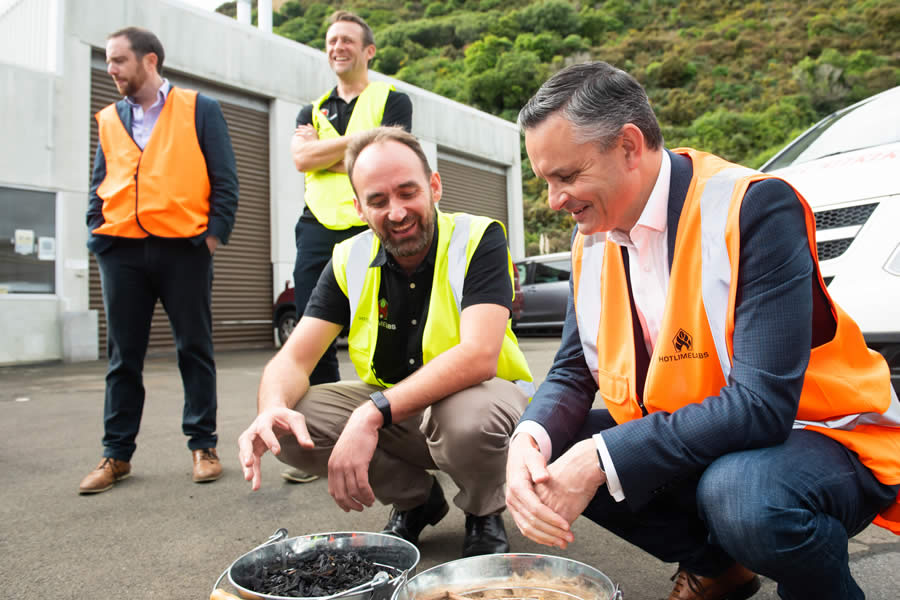
The AIC (Australian Institute for Commercialisation) will facilitate the forum with their TechClinic® approach which uses a structured environment to focus the entire innovation value chain on a specific opportunity, area or need. Industry representatives outline the market gaps and commercial success criteria, researchers identify technologies available to address these gaps and government can provide critical support and national direction.

The forum follows a highly successful Precision Ag forum that was held in Christchurch last month which brought together 140 people from across the field of precision agriculture to discuss the current state of the industry.
KiwiNet was launched in July to increase the scale and impact of commercialisation in New Zealand by facilitating a more collaborative and capable commercialisation system. KiwiNet acts as a hub for commercialisation for its member organisations as well as the wider innovation system.
KiwiNet was originally founded by a collaboration of nine universities and crown research institutes including WaikatoLink, Plant & Food Research, Otago Innovation, Lincoln University, AUT Enterprises, AgResearch, Industrial Research, VicLink and the University of Canterbury. The founding organisations alone encompass a large proportion of NZ's science capability, with a total combined research expenditure of more than $500 million.
KiwiNet's collaborative commercialisation model enables members to share resources, networks, best practise, IP and experience to create more commercially viable IP and start-ups from research based ventures. Industry forsighting initiatives and other commercialisation events will be held regularly to maximise collaborative opportunities and knowledge sharing.
- ENDS -